

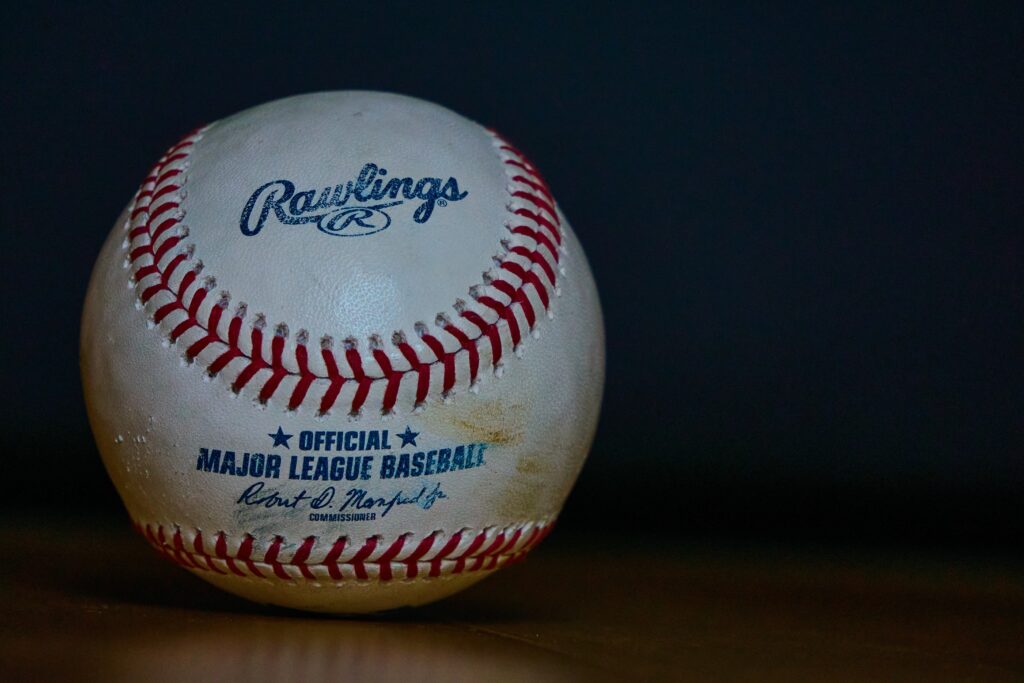

The MLB playoffs are in full swing, and with the Mets, Yankees, and Phillies eliminated, there’s not much left for New Jersey fans to root for—except maybe a Dodgers loss.
And even with our teams eliminated (not that I was ever pulling for the Phillies or the Yankees to begin with), New Jersey fans still have something to look forward to. Every MLB game includes a source of major Jersey pride—you just have to know where to look for it. In fact, without New Jersey, baseball would have a very different grip.
Roughly 300 pitches are thrown in an MLB game. Every fastball, slider, curveball, and changeup serves as a nod to the Garden State. Why? No matter the game or team, every single baseball is treated with a specialty mud before it ever sees an MLB field. And that mud? It’s no ordinary mixture of dirt and water—it’s a magical substance, steeped in mystery, and harvested right here in New Jersey.
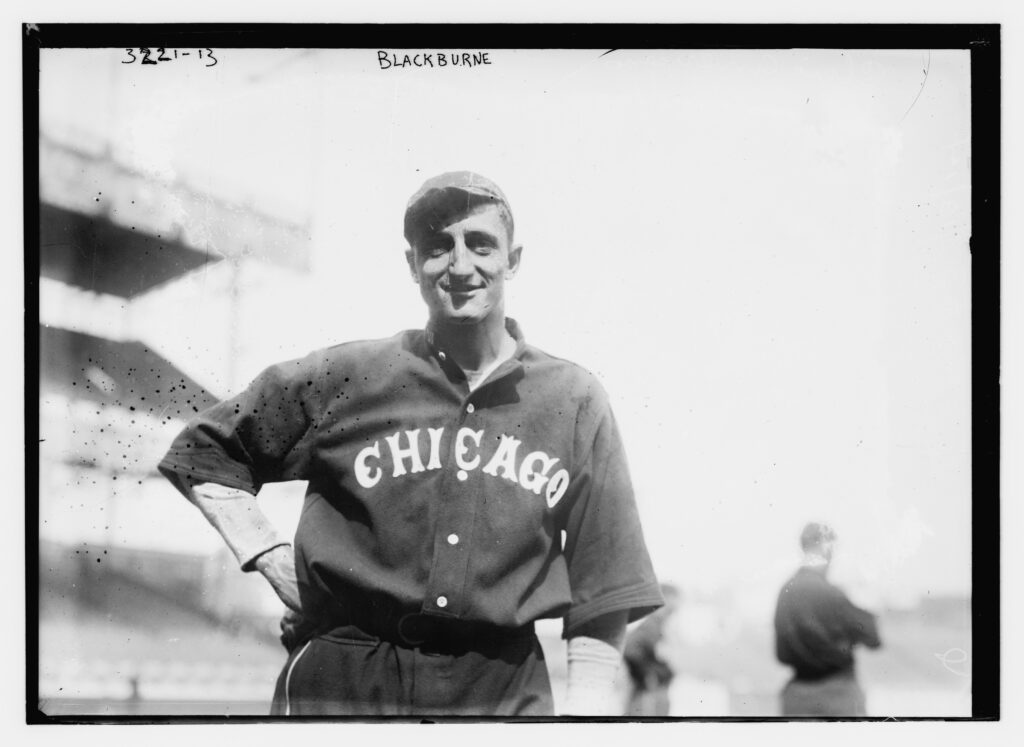
You can’t just head to the Meadowlands and fill buckets for yourself. Instead, the mud comes from an undisclosed location near Burlington County, and it’s been that way since 1938 when former Philadelphia Athletics coach Lena Blackburne introduced his top-secret baseball elixir.
The Problem and the Fix
Out of the box, baseballs are much too slick for pitchers to grip. It’s been that way since the dawn of the game. For decades, teams across baseball turned to their own in-house cures.
Prior to 1938, many teams used a mix of water and field dirt to rub baseballs prior to games. While the man-made mud provided some grip, many found it left the cover too soft, and open to tampering. Other teams took a more unorthodox approach—turning to substances like chewing tobacco juice, which umpires understandably didn’t want to apply.
Baseballs were inconsistent. They differed in grippiness and softness across different games. And by late game, the balls would darken, scuff, and their path from mound to plate would become increasingly harder for a pitcher to control.
In August of 1920, this problem was put on full display when Cleveland Indians shortstop Ray Chapman was struck in the head with a pitch during a day game. Historians suspect the ball, scuffed and dirtied by that point in the game, was hard to see. Fans at the game recall Chapman failing to react at all to the submarine delivery, suggesting the ball was completely lost in the daylight. He died 12 hours later.
Still, the problem wouldn’t be dealt with for nearly another two decades. In 1938, an American League umpire had enough, complaining to Philadelphia Athletics coach Lena Blackburne about the condition of baseballs. This grievance sent Blackburne on a mission to find a solution. He searched along the banks of Delaware River tributaries near his Burlington County home, in search of a mud that could consistently be applied to baseballs leaguewide. Finally, he found it—a batch with the right texture, no odor, and that didn’t turn the baseballs black.
The American League adopted the use of Blackburne’s mud first. By the time Blackburne died in the late 1950s, it was used by every Major League team, and most Minor Leagues.
A Secret Passed Down
There’s a catch to the mud. Only a handful of people know exactly where to harvest it.
Blackburne willed the business and the location to his friend John Haas, who passed it to his son-in-law Burns Bintliff, who passed it to his son Jim Bintliff, who remains President of Lena Blackburne Baseball Rubbing Mud to this day.
Every July, the small team takes a boat to the location, which they call the “ole mud hole,” to collect enough mud for a full season. Hundreds of pounds of the taupe-colored mixture. The mud is stored in barrels until spring, when it’s shipped out to MLB and minor league teams, most independent leagues, and many colleges prior to Opening Day.
The Delaware River Basin Commission (DRBC) describes the substance as “smooth and creamy, but with a fine grit” and “a cross between chocolate pudding and whipped cold cream.”
Individual teams go through three to four pounds of it a season, and while replacements have been tried, none have matched the magic of Baseball Rubbing Mud. It’s the only thing MLB allows balls to be treated with.
The location, and whatever Jim does to the mud over the winter, remains closely guarded. You can even purchase a bucket of the stuff yourself at the Baseball Rubbing Mud website.
A Muddy Legacy
If you watch baseball at all, then you know that pitching has only gotten more advanced. Every new pitching phenom seemingly comes equipped with a 104 mph fastball and a nasty slider to boot.
No matter what, pitchers will always try to find a way to have a leg up on their opponent. In the early 1900s, it was spit and tobacco. Scuffing balls to make them move differently through the air went on for decades. Pitchers are still caught using the old sunscreen and rosin trick, or even pine tar, for a better grip. And in the 2020s, it was Spider Tack, colloquially known as “sticky stuff,” which spawned a new rule where umpires check pitchers for hidden substances between each inning. But for the better part of a century—scandals aside—every pitch has started the exact same way: with a baseball rubbed down in a secret mud, harvested right here in New Jersey.
That’s MLB’s real secret sauce. And in the nearly 90 years since Lena Blackburne introduced his baseball rubbing mud, a viable replacement has yet to be found.
Now, the leather covers might be consistently treated, but as for the yarn inside? Baseball conspiracy theorists like myself know the answer isn’t so simple. But that’s a story for another day.

Peter Candia is the Food + Drink Editor at New Jersey Digest. A graduate of The Culinary Institute of America, Peter found a passion for writing midway through school and never looked back. He is a former line cook, server and bartender at top-rated restaurants in the tri-state area. In addition to food, Peter enjoys politics, music, sports and anything New Jersey.
