

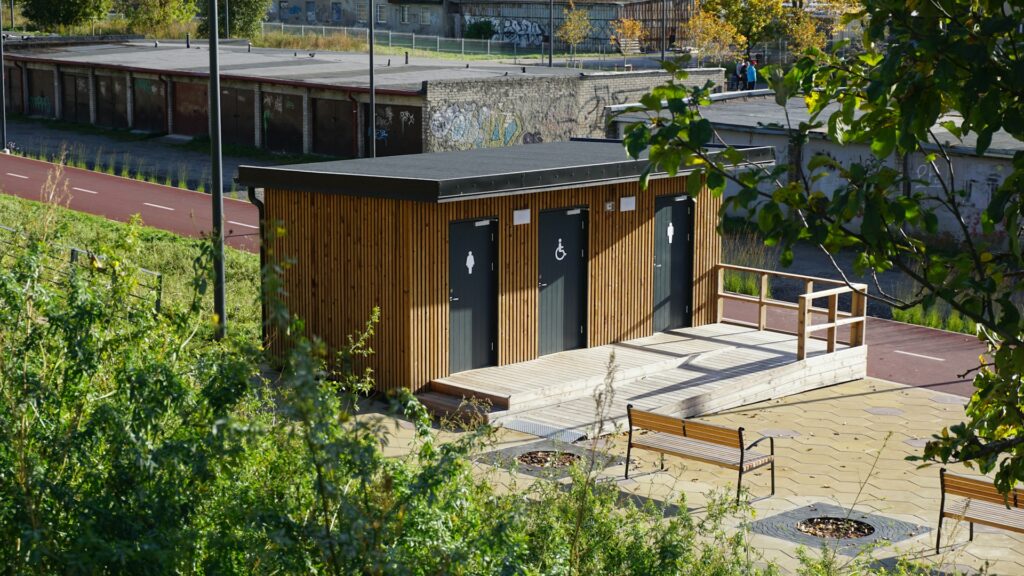
Sanitation planning is now a core consideration for commercial properties. Strategic investment in portable restroom systems goes beyond compliance, delivering operational value to business managers and property owners. This guide assists decision-makers in evaluating features, compliance, and return on investment when considering portable restroom solutions.
Capital allocation for sanitation equipment has become essential for today’s business managers and property owners. Portable restroom systems, offered by established manufacturers, now play a critical role in meeting modern standards for safety, accessibility, and overall property value. As expectations increase, managers are focused on quantifying both direct and indirect returns. Understanding how to model and interpret ROI helps align investments with ongoing operational needs and long-term objectives.
The rise of portable sanitation in modern business
Traditionally, portable restroom solutions were viewed as temporary measures used during events or facility upgrades. In recent years, however, an increased demand for flexibility, outdoor workspaces, and the need to accommodate changing occupancy have made portable sanitation a standard feature in many commercial operations. Regulatory attention and rising tenant expectations have also contributed to recognizing portable restrooms as essential, not occasional, investments.
Business managers are now considering portable sanitation as a key component of property management strategy, influencing tenant attraction and retention, as well as supporting the reputation and operational efficiency of the site.
The shift toward hybrid work models and outdoor commercial spaces has further accelerated the adoption of portable sanitation infrastructure. Property managers overseeing mixed-use developments, outdoor dining areas, and flexible workspace environments recognize that permanent restroom facilities may not adequately serve fluctuating occupancy patterns. Portable systems offer the agility to scale sanitation capacity up or down based on seasonal demand, special events, or temporary construction projects. This adaptability translates into cost savings by avoiding over-investment in permanent infrastructure that may remain underutilized during off-peak periods, while ensuring adequate facilities during high-demand cycles.
Insurance considerations and liability management have also emerged as significant drivers for portable sanitation adoption. Property managers increasingly recognize that inadequate restroom facilities can expose organizations to legal claims related to health code violations, accessibility discrimination, or workplace safety incidents. Well-documented sanitation protocols and properly maintained portable facilities demonstrate duty of care, potentially reducing insurance premiums and strengthening legal defenses. Additionally, the availability of comprehensive restroom facilities during emergencies or utility disruptions ensures business continuity and protects against revenue loss. Forward-thinking organizations now include portable sanitation capacity in their business continuity planning, recognizing that restroom availability directly impacts operational resilience during unexpected events such as plumbing failures, natural disasters, or pandemic-related capacity restrictions.
The evolution of workplace health and safety standards has fundamentally transformed how organizations approach sanitation infrastructure. Modern business managers recognize that restroom facilities directly impact employee morale, productivity, and overall workplace satisfaction. Studies have shown that inadequate sanitation facilities contribute to decreased worker efficiency and increased absenteeism, creating measurable financial impacts. As organizations compete for talent in tight labor markets, providing quality restroom facilities—whether permanent or portable—has become a differentiator in attracting and retaining skilled workers. This shift has elevated portable sanitation from a purely functional consideration to a strategic human resources investment that supports broader organizational objectives.
Types of portable restroom systems and their applications
Portable restroom solutions are available in a range of designs to serve different property needs. Standard non-flushing units are frequently used for outdoor job sites or temporary expansions. Enhanced models can include flushing capabilities, sinks, and improved ventilation, making them suitable for higher-end venues and extended use. Multi-stall trailers may support larger crowds, while single-occupancy units address privacy and accessibility needs.
Understanding specific site requirements is essential. Usage volume, intended duration, space limitations, and tenant profiles all inform the choice of portable restroom system. Selecting the right unit optimizes both user satisfaction and long-term value for property managers.
Climate considerations also play a significant role in system selection. Properties in colder regions may require units with heating capabilities and freeze-resistant plumbing components to maintain functionality during winter months. Conversely, facilities in warmer climates benefit from enhanced ventilation systems and solar-powered lighting options that reduce energy costs while improving user comfort. Specialty applications such as healthcare facilities, educational campuses, and industrial sites may demand units with hand-washing stations, antimicrobial surfaces, or chemical-free waste treatment systems. Business managers should conduct thorough site assessments that account for environmental factors, user demographics, and operational constraints before finalizing equipment specifications.
ADA compliance and regulatory requirements
Regulatory requirements are a central factor in portable restroom planning. Accessibility standards—such as those outlined by the Americans with Disabilities Act (ADA)—often necessitate specialized units that provide adequate space, ramps, and appropriate height facilities. Local regulations may also mandate health standards related to sanitation, waste management, and fixture types.
It is important for decision-makers to verify that selected portable restroom systems include options that support accessibility, and that vendors can provide documentation for compliance. Requirements may vary by jurisdiction, so regular review of local standards helps ensure ongoing conformity and reduces exposure to risk or penalties.
Beyond federal accessibility standards, property managers must navigate a complex landscape of state and municipal codes that may impose additional requirements. Some jurisdictions specify minimum ratios of restroom facilities to occupancy levels, while others mandate specific waste disposal methods or water conservation measures. Environmental regulations increasingly address chemical usage in portable sanitation systems, with some regions restricting certain disinfectants or requiring eco-friendly alternatives. Proactive managers establish relationships with compliance specialists or legal advisors who monitor regulatory changes and provide timely guidance. Maintaining a compliance calendar that tracks inspection deadlines, permit renewals, and regulatory updates helps prevent costly violations and demonstrates due diligence to stakeholders and regulatory agencies.
Maintenance and operational best practices
Consistent maintenance and clear operational protocols are vital for maximizing the value of portable restroom investments. Core practices include establishing regular servicing schedules, stocking essential consumables, and assigning responsibility for inspections and cleaning. High-traffic sites may require more frequent attention to ensure positive user experiences and prevent maintenance backlogs.
Response procedures should be in place for addressing user concerns or unit malfunctions promptly. Proper record-keeping of service dates, repairs, and incident reports supports effective management and regulatory compliance. Operational efficiency is improved when quick access to well-maintained portable restrooms reduces property complaints and maintenance staff time.
Technology integration is transforming portable restroom maintenance from reactive to predictive. Smart monitoring systems now enable real-time tracking of usage patterns, consumable levels, and potential maintenance issues through sensor networks and mobile applications. These systems alert facility teams when restocking is needed, when waste tanks approach capacity, or when environmental conditions fall outside acceptable parameters. Data analytics derived from these monitoring systems help managers optimize service schedules, reduce unnecessary site visits, and allocate maintenance resources more efficiently. Implementing digital checklists and mobile reporting tools ensures consistent service quality across multiple locations while creating auditable records that support quality assurance programs and compliance documentation requirements.
ROI considerations for facility managers
For commercial properties, evaluating ROI begins with identifying the total cost of ownership—including acquisition, rental, servicing, consumables, labor, and compliance documentation. Facility managers should model direct and indirect returns, such as reduced tenant complaints, minimized downtime, and improved reputation resulting from well-maintained facilities.
Scenario analysis is recommended to match costs and benefits under different property profiles, from steady daily use to periodic high-traffic events. Decisions should account for both ownership and rental options, factoring lifespan, support services, and peak versus baseline demand. Using a worksheet to track all relevant expenses and benefits over time enables more accurate comparisons and supports data-driven budgeting.
By integrating ROI assessment as part of regular facility planning, managers improve operational resilience and ensure that portable sanitation investments continue to deliver value in both day-to-day operations and unforeseen circumstances.
Quantifying intangible benefits requires a comprehensive framework that captures reputation value, tenant satisfaction metrics, and risk mitigation. Properties with well-maintained portable sanitation facilities often experience higher tenant retention rates and can command premium lease rates compared to competitors with inadequate facilities. Reduced liability exposure from compliance violations, fewer workplace accidents related to inadequate facilities, and improved employee productivity all contribute to ROI but may be difficult to measure directly. Forward-thinking managers incorporate surveys, incident tracking, and comparative market analysis into their ROI calculations. Additionally, sustainability-focused portable restroom systems can contribute to green building certifications and corporate social responsibility goals, creating brand value that extends beyond immediate financial returns and positions the property favorably in increasingly environmentally-conscious markets.

The New Jersey Digest is a new jersey magazine that has chronicled daily life in the Garden State for over 10 years.
