

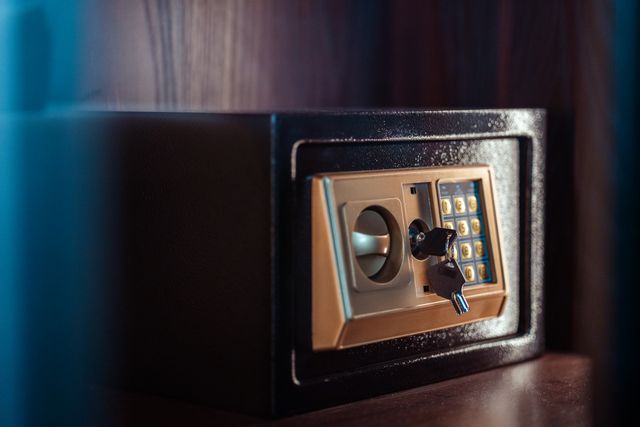

There are few moments more stressful than standing in front of your own safe and realizing it won’t open. Maybe the combination slipped your mind, the keypad has gone dead, or the handle simply won’t turn. It happens to homeowners across New Jersey more often than you’d think, and the worst thing you can do is panic and start forcing it. A calm, step-by-step approach saves your valuables, your safe, and your wallet — and while some situations have simple fixes, others are best left to a professional locksmith safe specialist who can open it without damaging what’s inside.
First, Don’t Panic — Identify the Type of Lockout
Before you touch anything, figure out why the safe won’t open. The right fix depends entirely on the cause, and a few seconds of diagnosis can save you hours of frustration.
Forgotten Combination or Code
This is the most common reason people get locked out, and it’s also the most recoverable. If you’ve simply blanked on the code, check whether you recorded it somewhere safe before assuming the worst.
Mechanical Jam or Stuck Bolt
Older safes and heavy-duty models can develop a jammed bolt or a stiff locking mechanism over time. The dial or handle may turn partway and then stop, which points to a mechanical issue rather than a wrong code.
Dead Battery on Electronic Safes
Digital keypads run on batteries, and a dead one will leave the keypad unresponsive or flashing. Many people assume the safe is broken when it just needs fresh power.
Lost or Broken Key
For key-operated or dual-lock safes, a misplaced or snapped key creates an immediate lockout. A key broken off inside the lock is a particularly delicate situation that usually needs professional handling.
Quick Fixes You Can Try Safely
Some lockouts have genuinely simple solutions you can attempt at home without risk. These are worth trying before you call anyone.
Replace the Battery or Use External Power
For electronic safes, swap in a fresh battery first. Many models also have an external power terminal under the keypad that lets you supply temporary power to enter your code — check the manual for its location.
Re-Enter the Code Correctly
Keypads often have a lockout timer that disables entry for several minutes after repeated wrong attempts. Wait the full cooldown period, then enter the code slowly and deliberately rather than rushing.
Gentle Troubleshooting for a Stuck Handle
If the code works but the handle won’t turn, try turning it firmly but gently while the bolt retracts. Sometimes the bolt needs a moment to release. If it still won’t budge, stop — forcing it from here causes damage.
What NOT to Do
The internet is full of bad advice that turns a minor lockout into an expensive repair. A few things are almost guaranteed to make the situation worse.
Don’t Drill It Yourself
Drilling a safe looks straightforward in online videos, but hitting the wrong spot can damage the lock permanently, destroy the contents, or compromise the safe’s fire rating. Professionals drill precise, pre-mapped points and repair the hole afterward.
Don’t Force the Door or Handle
Prying, hammering, or wrenching the handle rarely opens a safe and frequently jams it shut for good. The locking mechanisms are built to resist exactly this kind of force.
Don’t Trust Online “Tricks”
Magnet hacks, bouncing methods, and shimming tutorials are aimed at cheap, low-quality safes and usually don’t work on quality home models. At best they waste your time; at worst they break the lock.
When to Call a Professional
Plenty of lockouts genuinely need expert hands, and recognizing those situations early saves both money and stress. Calling sooner is almost always cheaper than cleaning up after a failed DIY attempt.
High-Value or Irreplaceable Contents
If your safe holds important documents, jewelry, cash, or firearms, this is not the moment to experiment. A professional opens it cleanly and keeps the contents intact.
Damaged or Tampered Locks
A lock that’s been forced, corroded, or partially broken needs specialized tools and knowledge. Trying to muscle through worsens the damage and the repair bill.
Inherited or Second-Hand Safes
Safes that come with a home purchase or are bought used often have unknown combinations. A locksmith can open them, reset the code, and hand you a fully working safe with credentials you actually have.
How a Professional Opens a Safe Without Destroying It
Many people avoid calling for help because they picture a technician taking a sledgehammer to their safe. The reality is the opposite — safe work is a craft, not brute force.
A skilled technician starts with the least invasive method possible, often manipulating the lock or using a borescope to inspect the mechanism before anything else. When drilling is necessary, it’s done at precise points and then properly repaired, so the safe remains functional afterward. Once the safe is open, the professional can replace the lock, reset the combination, and restore it to full working order. The goal is always to get you back into your safe while keeping both the contents and the safe itself intact.
Preventing the Next Lockout
A little maintenance goes a long way toward making sure this never happens again. Build a few simple habits around your safe and you’ll rarely think about it.
Record your combination somewhere genuinely secure, such as a password manager or a separate safe-deposit location — never on a sticky note nearby. Change the batteries in electronic models on a regular schedule rather than waiting for them to die. Have heavy-use or older safes serviced periodically so mechanical issues are caught early. And if your safe uses a key, store a backup somewhere you’ll actually remember.
The Bottom Line
Getting locked out of your home safe feels like an emergency, but most situations are completely recoverable when you stay calm and act carefully. Try the safe, simple fixes first, avoid the moves that cause real damage, and know when the smart choice is to bring in a professional. Your valuables are in that safe for a reason — protecting them includes opening it the right way.

The New Jersey Digest is a new jersey magazine that has chronicled daily life in the Garden State for over 10 years.