

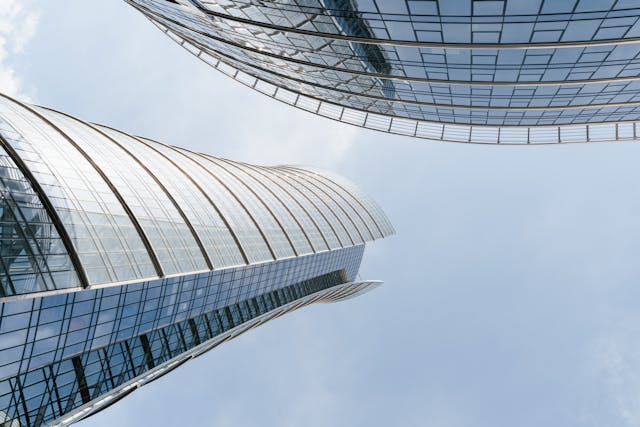

As we step into 2026, the world of interior design is poised for an exciting transformation. According to Vogue, several fresh trends are set to redefine how we design and experience our spaces. Among these, three standout movements include monochromatic color schemes, statement lighting, and the revival of raw, tactile materials. Yet, one trend is emerging as both visually striking and architecturally transformative: curved glass.
More than just a passing fad, curved glass is reshaping modern interiors and exteriors with its seamless beauty, structural sophistication, and ability to merge form with function. From luxury storefronts to residential sanctuaries, this design element is becoming a defining feature of 2026’s most forward-thinking spaces.
What is Curved Glass — and Why is It So Special?
Curved glass, also known as bent or bent-tempered glass, is exactly what it sounds like: glass that has been heated and shaped into a smooth, curved form. Unlike flat glass panels, curved glass introduces gentle fluidity and movement into architectural designs. It can be concave, convex, cylindrical, or even custom-formed to meet complex design visions.
What makes curved glass so special is its balance of aesthetic elegance and structural performance. It’s a true marriage of art and engineering. The skilled artisans at Flickinger Glassworks show how curved glass can be custom-crafted by using advanced bending and tempering techniques. Each piece can be tailored to fit the unique contours and specifications of a project. Whether forming sweeping partitions, domed ceilings, or elegant storefronts, curved glass transforms static spaces into dynamic, flowing environments. These artisans don’t just shape glass—they sculpt timeless works of design. With precision, care, and creativity, they deliver pieces that are not only beautiful but built to endure. The ability to customize curvature, opacity, tint, and even texture allows for nearly limitless creative potential, making curved glass an ideal medium for designers who seek to push the envelope.
A Growing Global Trend in Architecture and Design
Curved glass has moved far beyond boutique appeal. It is now a global trend, embraced by some of the world’s leading architects and design firms. One of the most striking examples of its use is the Tiffany & Co. store in Tokyo, redesigned by Jun Aoki and completed in 2025. The flagship’s façade is composed of a bulging, curved glass surface that mimics the appearance of a jewelry box – soft, luminous, and luxurious. The glass captures reflections and light in a way that makes the entire building shimmer like a diamond, drawing in passersby and creating a sense of elegance and exclusivity.
Beyond retail, curved glass is leaving its mark on iconic structures worldwide. Two other notable examples include:
• Apple Park Headquarters (Cupertino, USA): The main building of Apple’s campus, designed by Foster + Partners, famously features one of the world’s largest curved glass installations. The 1.6 km ring-shaped structure is sheathed in enormous curved glass panels that seamlessly blend indoor and outdoor environments.
• The Elbphilharmonie (Hamburg, Germany): Designed by Herzog & de Meuron, this stunning concert hall features a curved glass façade that reflects the sky and water around it. The undulating exterior, with its wave-like form, not only pays homage to the building’s harbor setting but also adds an ethereal quality to the structure.
These examples underscore the material’s versatility — from corporate campuses to cultural landmarks, curved glass adds a modern yet timeless touch that elevates the architectural narrative.
Advantages of Curved Glass in Interior Design
The popularity of curved glass isn’t just due to its beauty — it also offers a host of practical benefits that make it ideal for contemporary design:
1. Enhanced Aesthetics
Curved glass brings a softness and fluidity to spaces dominated by hard lines and rigid angles. It creates a feeling of openness and movement, perfect for minimalist, organic, or futuristic interiors.
2. Increased Natural Light
Its smooth contours allow for uninterrupted light flow, reducing shadows and maximizing sunlight. This not only enhances visual comfort but also promotes well-being and energy efficiency.
3. Improved Acoustics
Curved glass panels can reduce sound reflection compared to flat surfaces, helping to improve acoustic performance in spaces like conference rooms, galleries, or music halls.
4. Structural Strength
When properly tempered or laminated, curved glass can be even stronger than flat glass. It resists wind pressure and impact, making it suitable for both interior partitions and external façades.
5. Seamless Design Integration
Curved glass can be adapted to almost any environment, blending with metal, wood, concrete, and stone to create harmonious yet striking interiors.
Looking Ahead: A Design Element Built for the Future
In a design era increasingly defined by personalization, sustainability, and emotional connection, curved glass delivers on all fronts. Its ability to adapt to a wide range of styles — from ultramodern to timelessly elegant — makes it a standout material for the years ahead. As artisans refine the techniques and architects continue to experiment with form, expect to see curved glass taking center stage in everything from homes and hotels to galleries and flagship retail stores.
In 2026 and beyond, curved glass will not only reflect light and landscape — it will reflect the future of design itself. For more interior design trends, do check out the rest of our articles on New Jersey Digest.

The New Jersey Digest is a new jersey magazine that has chronicled daily life in the Garden State for over 10 years.