

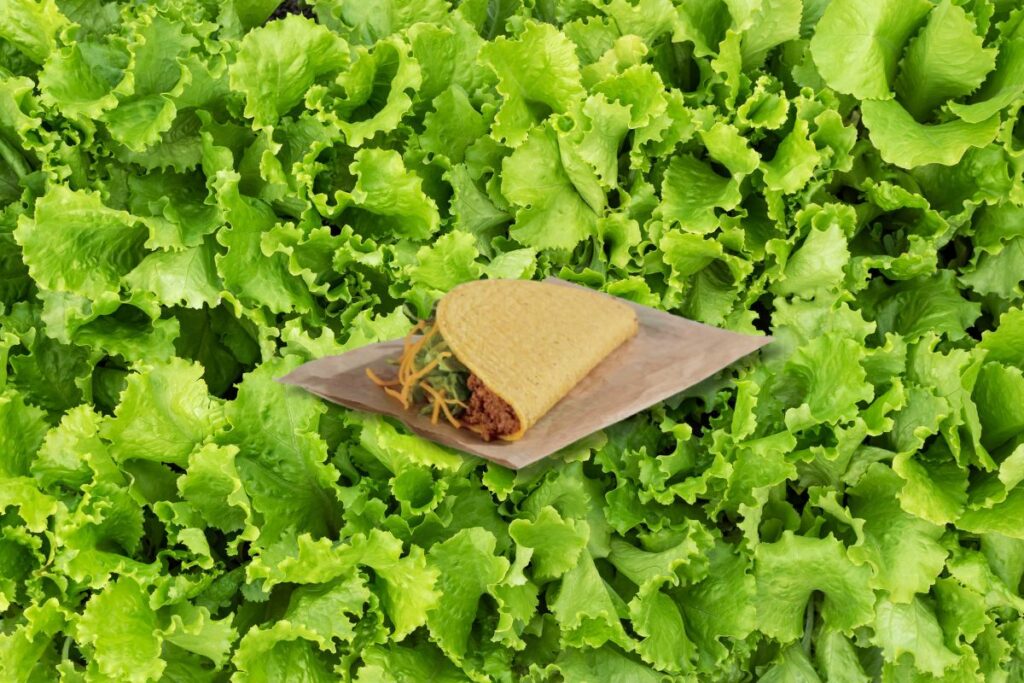

I’ve been very into salads this summer. I’m talking multiple salads a week, which is unusual compared to my past eating habits. So you can imagine my pain when lettuce became the most-feared food in the U.S. a few weeks back following a cyclospora outbreak that spread across dozens of states.
The numbers alone do a good job explaining the panic. Federal health officials confirmed more than 4,100 cases of cyclosporiasis, spread across 41 states, according to The New York Times. Thousands more suspected cases are still under review.
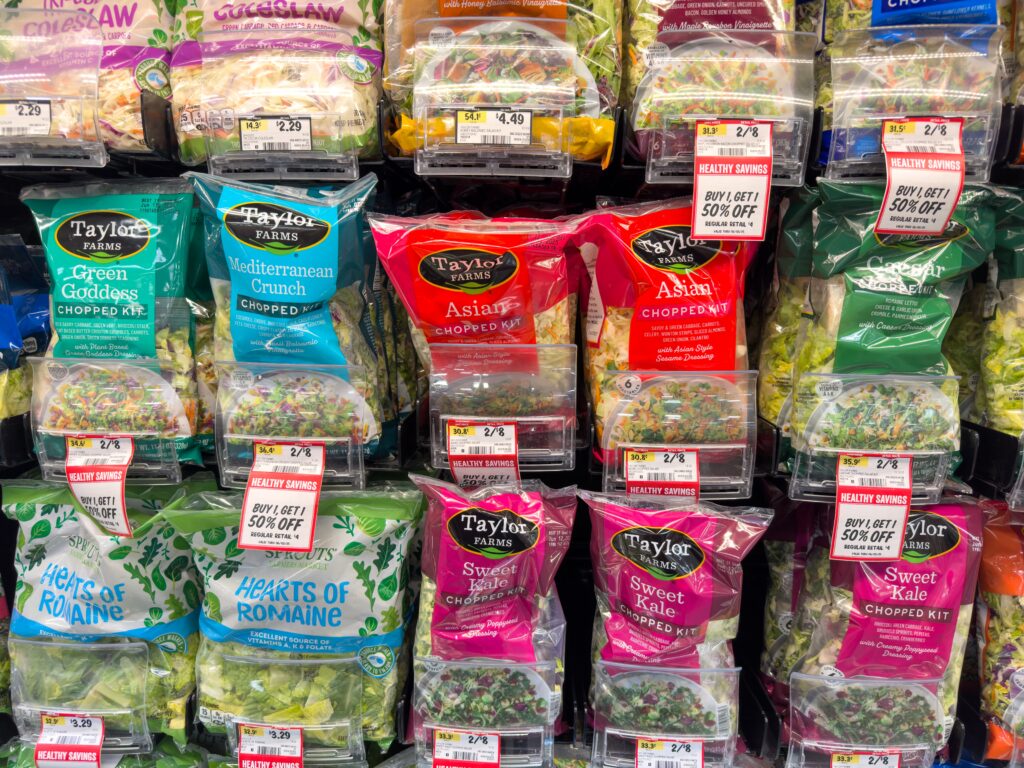
Investigators traced part of the outbreak to iceberg lettuce grown at a Taylor Farms plant in Mexico, which was served at Taco Bell locations across five Midwestern states, and made its way onto shelves at grocery stores across the country. As a result, Taylor Farms, America’s largest produce distributor, recalled lettuce shipped to 27 states, including New Jersey.
While social media was quick to blame Taco Bell as the culprit, the full story paints a much more complex picture of what really went down.
Conflicting Reports
The FDA announced a positive Cyclospora test tied to Taylor Farms lettuce, only to walk it back a day later as a false positive, the Times reported.
The recall stood anyway, with the agency citing “overwhelming epidemiological data” separate from the flawed test. Taylor Farms claimed the FDA had apologized—the FDA denied it. Meanwhile, the recall notice itself used shipping codes like SY, MKTSD, and SUB instead of naming the retailers and distributors involved, leaving ordinary shoppers to play detective while at the grocery store.
In many ways, that kind of confusion is almost as harmful as the illness itself. It destroys consumer trust in the food system—and that’s not something that can be recovered overnight. It’s made worse by the fact that regulators in both the U.S. and Mexico can’t even agree on the basic facts of the outbreak.
U.S. Health Secretary Robert F. Kennedy Jr. says it’s contained and came from Mexico, while Mexico’s David Kershenobich says there’s no evidence the outbreak even originated in Mexico to begin with.
Taco Bell Catches Blame, But Here’s the Truth
Many chains—particularly salad-focused ones—have felt the heat.
Foot traffic at Sweetgreen, Chopt, Chipotle, and Cava all dropped last week, while shares of Sweetgreen, Chipotle, and Cava have fallen by as much as 24 percent since the outbreak notices began.
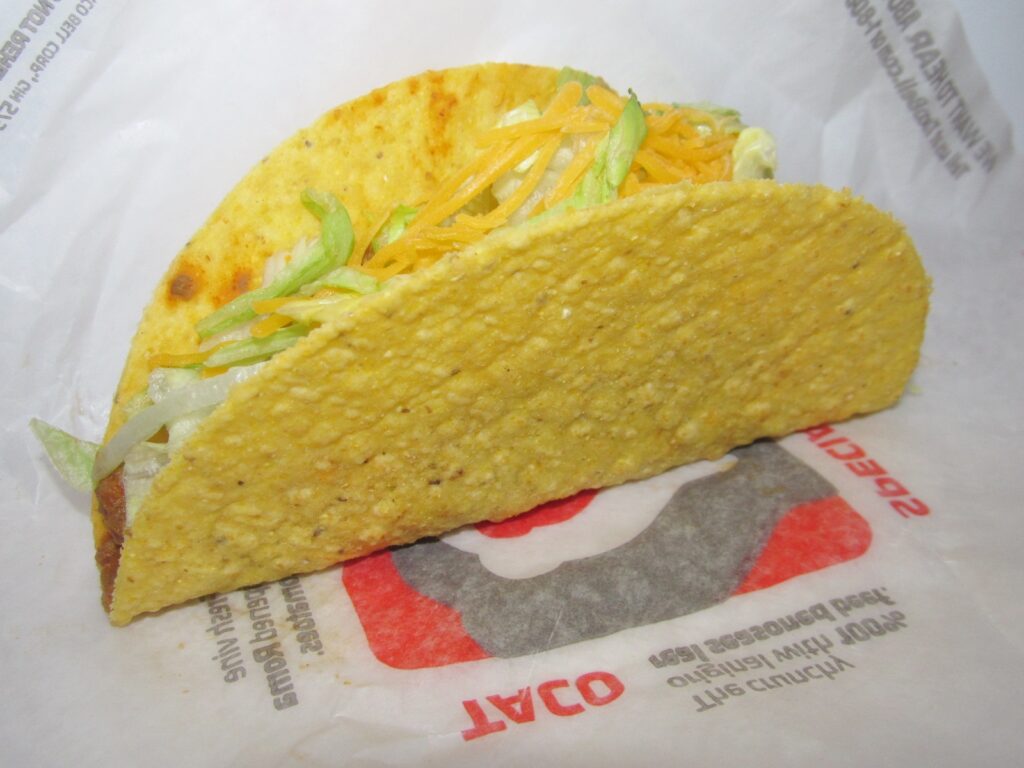
But no company has been hit harder than Taco Bell. The chain has seen visits down nearly 19 percent this year—with the last two weeks driving the decline. However, Taco Bell not only publicly pulled Taylor Farms lettuce from its restaurants, but they did so before the FDA even named the farm as a source.
That’s not all.
According to Forbes, Taco Bell’s parent company, Yum! Brands, named cyclospora specifically as a business risk in its most recent SEC filing, ranking food-borne illness as its No. 1 disclosed threat—ahead of every other risk factor in the filing.
Combine this with the immediate removal of Taylor Farms lettuce from its stores, and it starts to look like Taco Bell being unfairly blamed as the culprit of a mass health scare.
Ask yourself this: If a fast food chain was able to flag cyclospora as its top concern and promptly remove affected products from its stock, but the federal agency responsible for catching contaminated shipments missed it for weeks, then who’s more to blame?
Cyclospora: Beyond the Lettuce
The issue runs deeper than lettuce. Cyclospora is a parasite that spreads through produce or water contaminated with fecal matter, and it has historically entered the U.S. food system almost exclusively through imported produce, according to Dr. Gabriela Andujar Vazquez, a hospital epidemiologist quoted by the Valley News.
Local farms and farmers markets carry far lower risk. That distinction matters, because it points to a supply chain problem rather than a lettuce problem specifically. A single contaminated shipment can result in a domino effect—causing restaurant chains and grocery stores across the nation to be affected before a source can even be identified.
New Jersey has remained relatively safe in the outbreak. The state recorded 46 cyclosporiasis cases between May and mid-July, in line with a typical year. State health officials say nothing connects those cases to the national outbreak. More importantly, nothing has been linked to New Jersey-grown produce.
I’ll continue to eat the salads I’ve come to love so much this summer—but for now, I’ll stick to locally grown lettuce that I can chop and clean myself.
Better safe than sorry.

Peter Candia is the Food + Drink Editor at New Jersey Digest. A graduate of The Culinary Institute of America, Peter found a passion for writing midway through school and never looked back. He is a former line cook, server and bartender at top-rated restaurants in the tri-state area. In addition to food, Peter enjoys politics, music, sports and anything New Jersey.
