

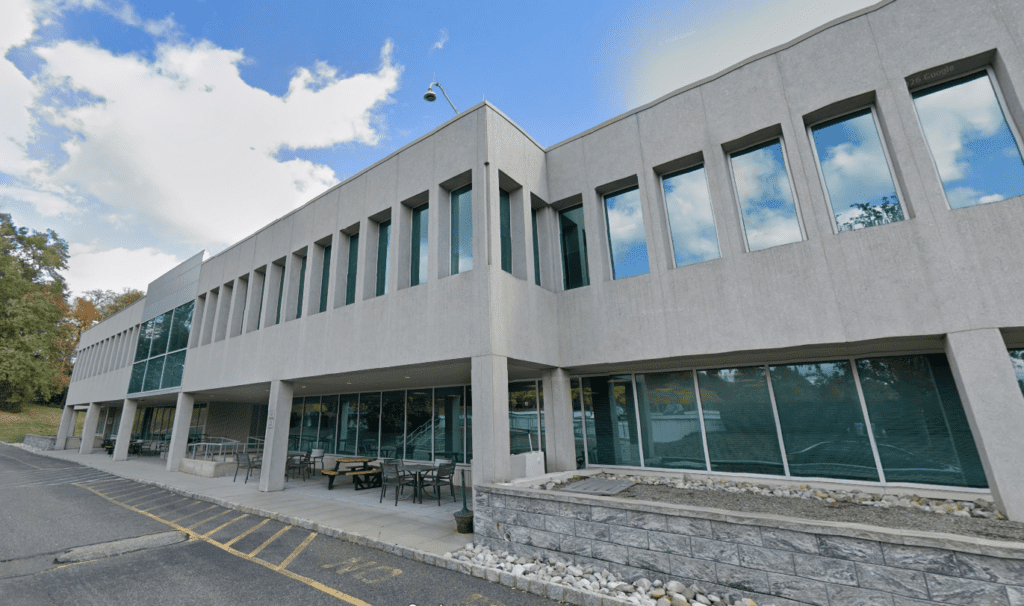
Montvale faces a crucial decision surrounding one of Bergen County’s largest vacant redevelopment sites. The 34-acre former KPMG office campus could become one of two things: a sprawling data center or a residential development with affordable housing. A settlement agreement with the developer allows the borough to choose which.
The proposal has ignited a clash between local government and housing advocates over what development should focus on in an era of rising home costs and Big Tech expansion.
The Settlement Structure
Under an agreement filed with Bergen County Superior Court, developer SHG Montvale MB VI was given a choice: construct 250 new units—50 of which would be designated as affordable housing—or build a massive data center.
The data center route would include a Payment in Lieu of Taxes agreement—a tax incentive that would reduce the developer’s property tax obligations.
The dispute centers on whether offering a choice complies with New Jersey’s affordable housing laws. The state requires municipalities to provide fair shares of affordable housing based on population. The deadline just passed, but towns like Montvale are still fighting the requirement.
Housing Advocates Strike Back
Fair Share Housing Center, a statewide nonprofit that enforces affordable housing compliance, argues the settlement essentially allows the developer to opt out of housing requirements in favor of tax-advantaged commercial development. The group contends that by offering special tax treatment for the data center option, Montvale incentivizes development that doesn’t include the affordable housing that’s required by law.
Fair Share filed legal challenges to the settlement. The organization rejected Montvale’s proposed housing plan in February. The dispute heads to court this summer.
Montvale Makes Their Case
Borough officials argue that the data center is already permitted under existing zoning.
Mayor Mike Ghassali emphasized that Montvale has exceeded affordable housing requirements in previous cycles, with 365 affordable units currently built in town.
The mayor also highlighted potential community benefits from data center development: job creation and substantial development fees that will benefit the town. He characterized Fair Share’s argument as overreaching.
The Bigger Picture
The dispute reflects tension surrounding housing across New Jersey. Communities must add roughly 146,000 affordable units statewide by 2035 under current state housing quotas.
Many municipalities resist these requirements, arguing the obligations are excessive. Montvale has led a coalition of suburban towns challenging the rules in court. Every challenge thus far has been discarded.
The clash between growth and affordability plays out differently in other towns. In Princeton, a feud is unraveling between residents and city council after new affordable housing was approved. Data centers themselves have become increasingly controversial as AI-driven demand strains local power grids and water supplies. New Brunswick activists recently won a lengthy battle when a proposed data center in the city was cancelled.
For Montvale, the March 15 deadline for submitting affordable housing compliance plans forces their hand. Whether the borough ultimately must choose housing or can maintain the developer’s data center option depends on court decisions expected in coming months.
But the outcome extends far beyond Montvale. Will towns across New Jersey resist building affordable housing, or will courts force compliance? In a state with a skyrocketing cost of living, the answer matters.

The New Jersey Digest is a new jersey magazine that has chronicled daily life in the Garden State for over 10 years.
