


New Jersey ranks 35th nationally for taxpayer return on investment—a middle-of-the-pack position that masks a troubling contradiction: residents pay some of the highest taxes in the nation. For it, they get world-class schools alongside crumbling roads, littered with potholes.
According to a new WalletHub report, New Jersey collects more tax revenue per capita than 40 other states but delivers services that rank only 12th nationwide. That gap raises an uncomfortable question: where is the money going?
The School System Success
New Jersey residents do get some great ROI on their taxes.
NJ schools rank third in the nation. The state has prioritized education spending, and it shows with some of the best public schools in the country. For families, this represents genuine value—quality education directly impacts children’s futures and spikes property values.
This particular investment outlines why, despite high taxes, many New Jersey residents happily accept the trade-off. For those who value education, world-class public schools are worth the premium price tag.
The Infrastructure Catastrophe
Other areas show weak ROI—particularly in infrastructure.
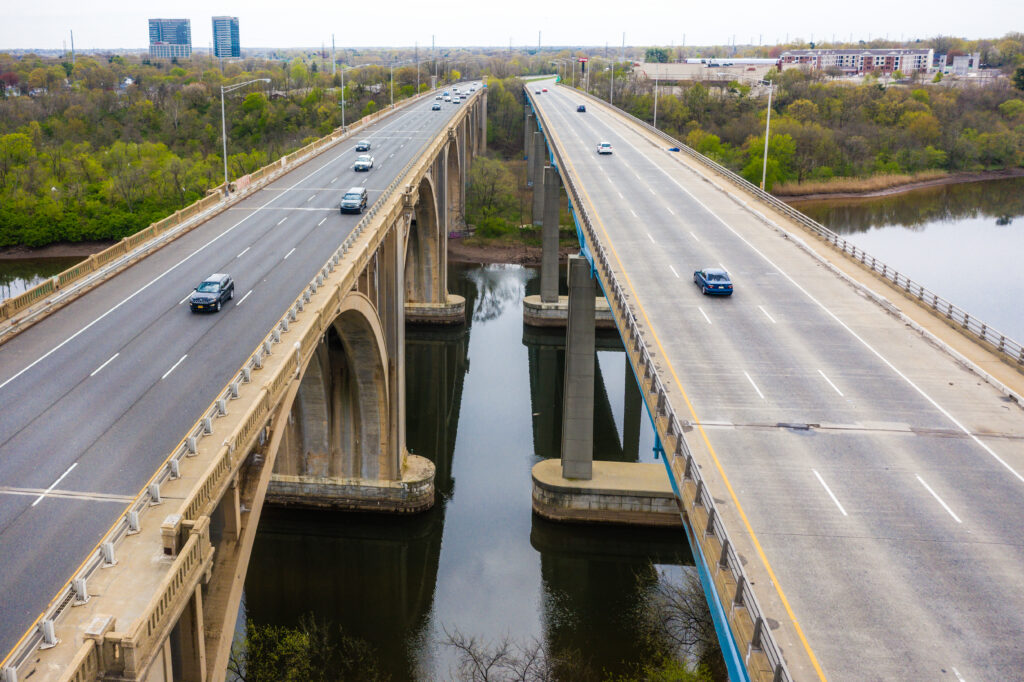
New Jersey ranks dead last—yes, 50th—for road and bridge quality. Residents driving New Jersey’s highways encounter potholes, crumbling pavement, and deteriorating bridges.
This ranking isn’t theoretical—commuters navigate dangerous road conditions daily, businesses struggle with substandard highways, and property damage from poor road conditions costs residents thousands annually.
For a state collecting some of the highest per-capita taxes in the country, many see this as an inexcusable failure.
Where Did the Money Go?
New Jersey’s tax revenue hasn’t translated into quality infrastructure. The state has collected substantial resources but falls short of investing properly in roads, bridges, and transportation.
It’s a complex issue. New Jersey’s pension obligations consume significant state resources, which eat into funds that could be allocated toward infrastructural improvements. Property tax reliance means local communities compete for limited state infrastructure funding. Political decisions have prioritized other spending over maintenance of roads and bridges.
Taxpayers are paying premium rates for substandard infrastructure. Meanwhile, dozens of states with lower tax burdens maintain better highways and bridges.
The NJ Tax Paradox
This creates a paradox. New Jersey residents accept high taxes partly because they receive quality schools in a prime location—NYC proximity, beaches, and more. But it masks systematic underinvestment in infrastructure that affects daily life. A parent might be satisfied with their child’s education while simultaneously frustrated by the pothole that damages their car on the way to school.
For taxpayers evaluating whether New Jersey’s high tax burden is justified, the answer is complicated. Excellence in one area doesn’t necessarily offset failure in another. New Jersey has chosen to deliver quality education, and will continue to. At the same time, infrastructure suffers.
Residents are left paying a premium price for what—on paper—looks like an imbalance arrangement.

The New Jersey Digest is a new jersey magazine that has chronicled daily life in the Garden State for over 10 years.