

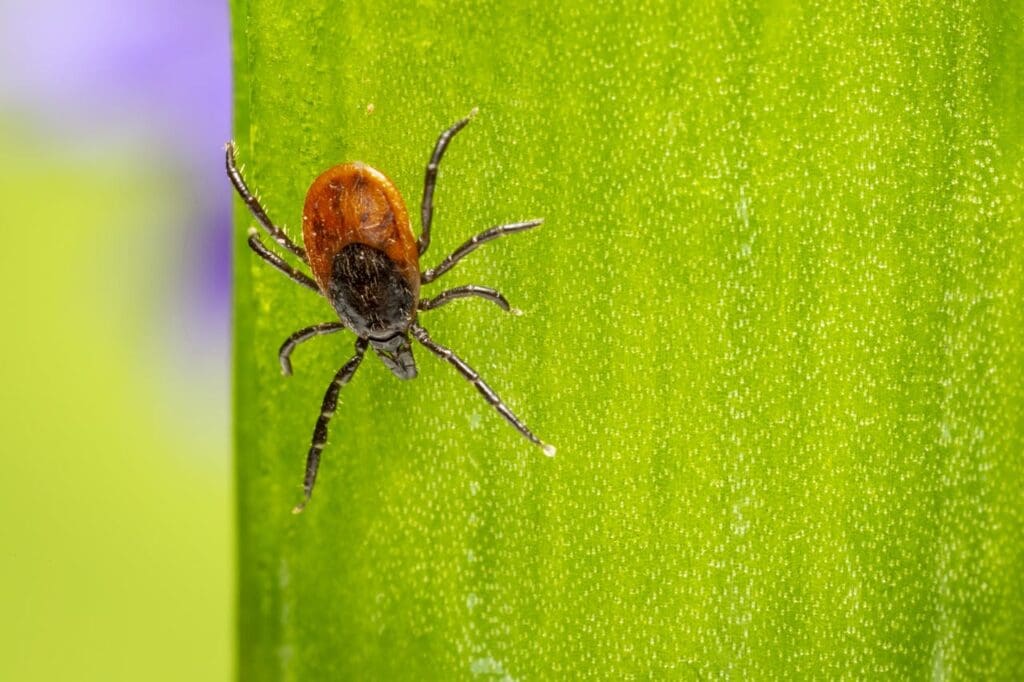

A New Jersey man has become the first confirmed death linked to the rare “meat allergy” spread by Lone Star ticks, according to new findings published by the University of Virginia School of Medicine. The healthy 47-year-old collapsed last summer after eating a hamburger at a backyard barbecue, and researchers have now traced his reaction to alpha-gal syndrome — an allergy triggered by tick bites that has been steadily spreading across the East Coast, including in New Jersey.
UVA Health allergist Thomas Platts-Mills, MD, PhD, who first discovered the condition, analyzed blood samples taken after the man’s death and found extremely high levels of alpha-gal antibodies. The pattern matched a fatal anaphylactic reaction, something doctors long suspected was possible but had never confirmed.
He Felt Sick After a Steak Dinner. Two Weeks Later, He Collapsed
The man first felt symptoms two weeks earlier while camping with his family. After a late steak dinner, he woke up around 2 a.m. with intense abdominal pain, vomiting, and diarrhea — the exact delayed reaction window typical of alpha-gal syndrome. He recovered by morning and never knew the episode was a warning sign.
At the barbeque two weeks later, he ate a hamburger shortly after 7 p.m. His son found him unresponsive in the bathroom just 30 minutes later. The autopsy labeled it a “sudden unexplained death.”
It wasn’t until his wife pushed for answers — asking a doctor to re-examine the report — that the case reached Platts-Mills’ team. Blood testing confirmed the allergy, and researchers said multiple factors may have worsened his reaction, including drinking beer, ragweed pollen exposure, and exercising earlier in the day.
Tick Spread Is Growing in New Jersey
The Lone Star tick, once considered a southern species, now thrives in New Jersey, especially in wooded areas and suburbs with heavy deer traffic. State wildlife officials have warned that rising deer populations are creating ideal conditions for these ticks to thrive.
Many New Jersey residents report “chigger bites” during the summer, but Platts-Mills says that in the eastern U.S., those itchy clusters on the ankles often come from Lone Star tick larvae — the same stage that can trigger the meat allergy.
Researchers say people may not realize they’ve been sensitized until they eat beef, pork, or lamb and later develop severe stomach pain, nausea, hives, or dizziness hours after the meal. In rare cases — like this one — the reaction can turn deadly.
What New Jersey Residents Should Watch For
The allergy, known as alpha-gal syndrome, doesn’t cause immediate symptoms the way peanut or shellfish allergies do. Instead, reactions typically appear three to five hours after eating red meat or products made with mammal-derived ingredients.
Platts-Mills says anyone who experiences unexplained episodes of severe abdominal pain during that window should be evaluated for the condition, especially if they live in an area where Lone Star ticks are now common.
The Findings Are Now Public
Researchers published the case in The Journal of Allergy and Clinical Immunology: In Practice. The man’s widow gave permission to share his story, hoping it will help families and physicians recognize the signs sooner.
For New Jersey residents who spend time hiking, gardening, or camping, experts recommend standard tick precautions: repellents, checking clothing and skin after being outdoors, and watching for bites that stay itchy for days.
As the state’s deer population continues to grow, health officials expect the Lone Star tick — and alpha-gal syndrome — to become a bigger part of New Jersey’s public health landscape.

The New Jersey Digest is a new jersey magazine that has chronicled daily life in the Garden State for over 10 years.