

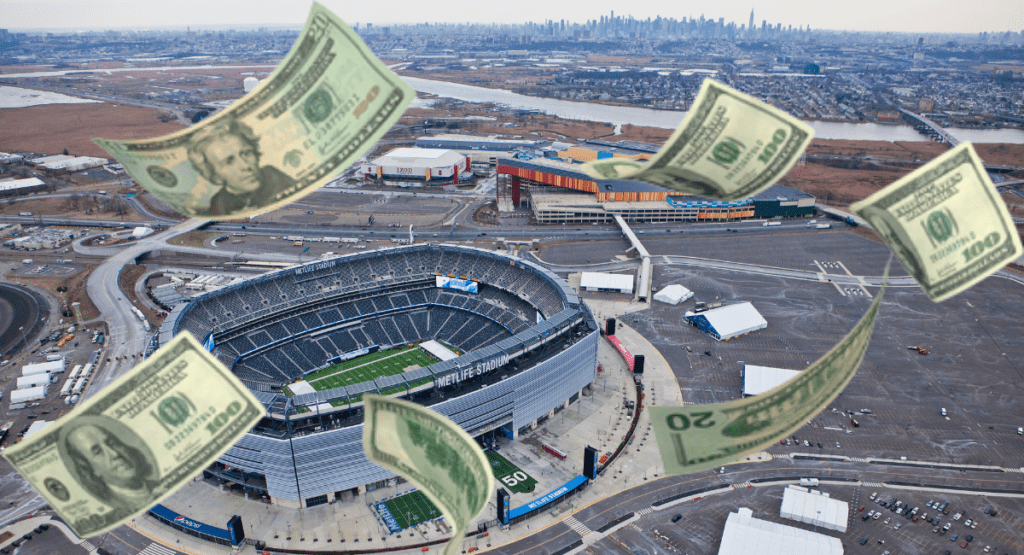
When the 2026 FIFA World Cup arrives at MetLife Stadium this summer, New Jersey lawmakers are considering asking visitors to help cover the cost.
But for people living in and around the Meadowlands, the proposed “temporary” tax plan may hit much closer to home.
A Tax Designed for a Global Event
The proposal, introduced by State Senator Paul Sarlo, is built around a simple idea: a global event coming to New Jersey should generate significant revenue.
For about five weeks, from mid-June through late July, the state would raise the sales tax in the Meadowlands District to 9.625%. Additional changes include a hotel surcharge across much of New Jersey, fees on ride-share trips to and from the stadium, and a gambling-related surcharge tied to World Cup activity.
Supporters of the bill say the state is already committing hundreds of millions of dollars to host the event, and that tourists traveling to New Jersey for the World Cup should share more of that burden.
READ MORE: 80,000 Fans, No Parking—New Jersey Faces World Cup Transportation Test
Where the “Hidden Costs” Come In
On paper, the plan is aimed at tourists. In practice, it tells a different story.
The Meadowlands District includes a wide stretch of North Jersey communities, including Rutherford, East Rutherford (where MetLife Stadium lives), Secaucus, and Carlstadt. The region is home to upwards of one-million residents.
For many of those locals, the impact is likely to show up in subtle ways.
A quick meal near the stadium could come with a noticeably higher tax. A routine Uber ride to avoid game-day traffic may cost a little more. A simple shopping trip during those five weeks could demand more from your wallet.
None of these changes is dramatic on its own. However, together, they create a steady tick of slightly higher costs.
You’ll Get It Back… Eventually
Legislators understood this. One key piece of the proposal is designed to shield residents: a tax credit that allows New Jerseyans to reclaim the extra money they spend under the five-week window.
Residents would still pay those higher costs upfront, then wait until tax season to see any reimbursement. For those squeezed by the increased cost of living, relief down the line can feel like a lifetime away.
A Complicated Moment for Local Businesses
For businesses near the Meadowlands, the World Cup is both an opportunity and a question mark.
An influx of international visitors could drive a surge in demand, bringing new customers and global exposure. At the same time, even temporary price increases can shift behavior, specifically with locals. Area customers may cut back on spending or change habits entirely during the period.
That tension will likely define the experience for many businesses during the tournament.
What It Means If You Live Nearby
For residents of Bergen and Hudson County, this proposal is less about politics and more about daily life during a lengthy five-week stretch.
Expect busier roads, heavier transit use, and a complete change of pace for the region. On top of that, even small cost increases—on food, transportation, or nearby services—could become more noticeable simply because of how often they appear.
Governor Mikie Sherrill has framed the World Cup as a chance to showcase New Jersey while keeping costs manageable for residents. Whether this plan can strike that balance will become clearer as both the legislation and the tournament move closer to reality.
For now, the takeaway is simple: the World Cup brings immense opportunity to the region, and legislators, correctly, believe tourists should help cover the cost. However, some of those costs could affect locals the most—even when they’re not the ones directly in the crosshairs.
The New Jersey Digest is a new jersey magazine that has chronicled daily life in the Garden State for over 10 years.
