

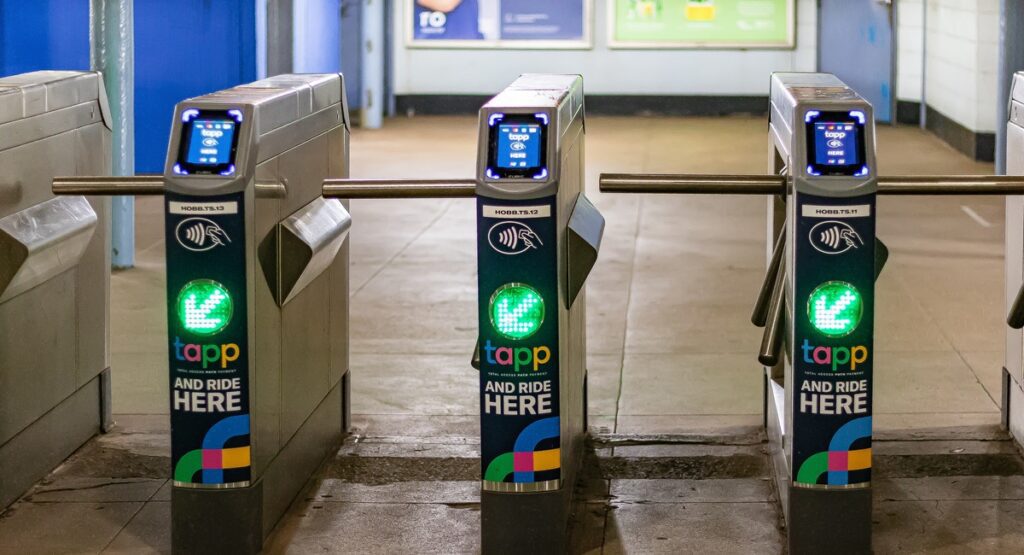

PATH train riders may soon have a much harder time skipping the fare and getting through the station. Now the Port Authority is spending $3.5 million to make sure that stops.
If you’ve stood on a PATH platform and watched someone casually vault over a turnstile like they’re warming up for track practice, you already know the problem. The Port Authority knows it too—and they’re finally doing something about it, to the tune of hundreds of millions of dollars and a complete overhaul of every single fare gate in the system.
But not everyone is going to love what’s coming.
The Old Gates Are, Well, Old
Let’s be honest about the hardware first. PATH has 341 fare gates spread across its 13 stations, and most of them have been in service for roughly 22 years. The industry standard service life for this type of equipment? Fifteen to twenty years. In other words, PATH has been running on turnstiles that were already past their expiration date before most of its commuters even started using the system.
“Current fare gates are extraordinarily old and not up to the standard within mass transit today,” PATH officials have acknowledged—and that’s a rare moment of institutional candor that’s hard to argue with.
$3.5 Million Just to Plan the Fix
On Thursday, Port Authority Commissioners approved $3.5 million—not to install new gates, but to begin designing them. That funding covers the development of project scope, technical specifications, cost estimates, and the purchasing process for more than 300 new fare gates that would replace the aging turnstiles.
The full replacement effort is written into the Port Authority’s sweeping $45 billion capital budget for 2026 through 2035, with $200 million earmarked specifically for fare gate replacement across the entire system. The current $3.5 million authorization is the first formal step in that process.
If the planning goes smoothly, riders could see new gates installed by around 2030—though PATH officials were careful to emphasize that this is still in early stages, and that part of the planning process involves studying what other transit systems have implemented and how effective those upgrades have actually been at cutting fare evasion.
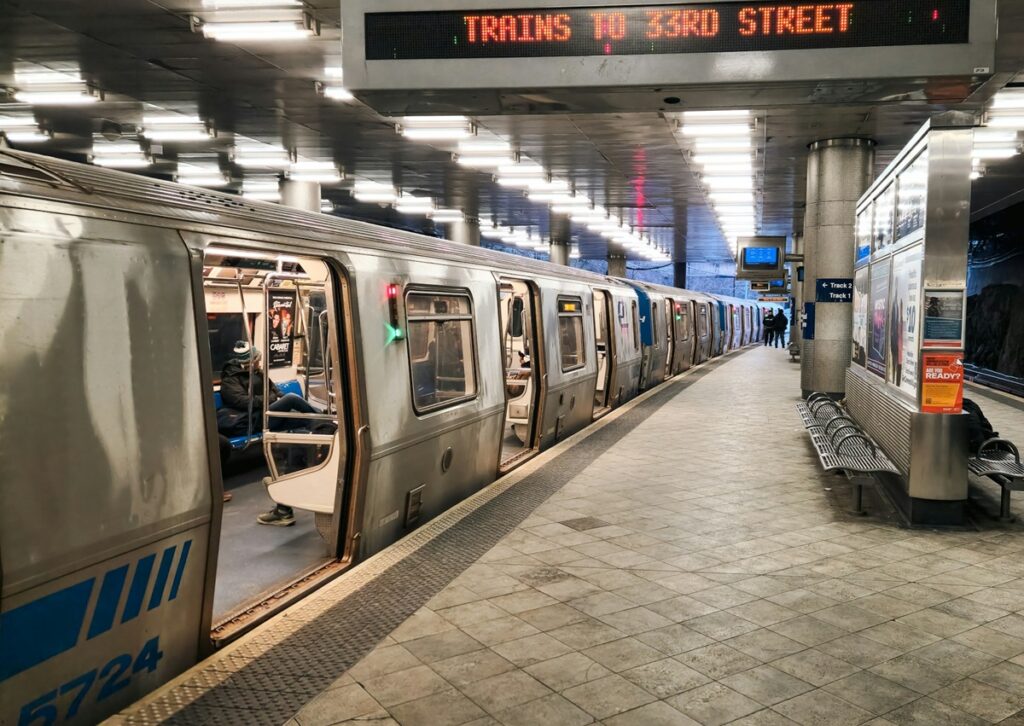
So Who’s Going to Be Annoyed?
Here’s where it gets complicated. The new gates are being framed as an upgrade—wider clearance for riders with strollers, luggage, walkers, and bikes, better compatibility with modern payment systems, and a design that doesn’t practically invite people to hop over it. Right now, only a small number of existing turnstiles can accommodate those wider loads, which means a parent with a stroller is regularly getting funneled through one specific lane while everyone else breezes past.
The improvements sound reasonable on paper. But “fare gate crackdown” has become a loaded phrase in the metro area, and PATH’s move follows similar efforts by the MTA and NJ Transit—both of which have faced pushback from riders, advocates, and politicians who argue that aggressive fare enforcement disproportionately impacts the people who can least afford a fine.
PATH is walking that same line. The system processes a significant volume of working-class commuters crossing between New Jersey and Lower Manhattan or Midtown, and any change to the physical barrier between a platform and the street is going to generate strong opinions on both sides.
The TAPP Factor
There’s a technology angle here that matters. Since PATH launched its TAPP contactless payment system in 2023, adoption has been rapid—more than three-quarters of daily riders now pay with TAPP, which accepts chip-equipped credit and debit cards, smartphones, and the dedicated TAPP card. The new replacement gates will be built to be fully compatible with TAPP, meaning the hardware overhaul and the payment modernization effort are being designed to work together.
That’s actually a meaningful distinction from older fare gate replacement projects, which sometimes created friction between legacy payment infrastructure and new hardware. PATH appears to be attempting a more integrated approach.
The Money Problem Behind the Upgrade
Let’s not bury the financial reality: fare evasion is costing PATH real money, and that’s ultimately what’s driving this project.
PATH officials pointed to the $19 million investment funding phased-in service improvements that began rolling out this month as an explicit reason to tighten up revenue collection—if the system is spending more to provide better service, the logic goes, it needs to actually collect fares from the people using that service.
The broader effort puts PATH in line with its regional partners. The MTA has been aggressively rolling out new fare gates across the New York City subway. NJ Transit has its own evasion reduction initiatives underway. The regional transit ecosystem is moving, collectively, toward harder barriers—and PATH, whose gates were already old enough to be attending college, is joining that wave.
What Happens Next
The $3.5 million approved Thursday kicks off the design and specification phase. After that comes procurement, then actual installation—a timeline that likely stretches toward 2030 under current projections, assuming no significant delays in the planning process.
A lot of changes have recently been introduced to New Jersey commuters. Recently, Amtrak announced that new trains are coming to its fleet early this month.
For daily PATH commuters, nothing changes immediately. The turnstiles you know—the ones that have been there longer than your current phone, your current car, and possibly your current apartment—will stay in place while the planning work unfolds.
But the era of the PATH turnstile hurdle is, eventually, coming to an end.

The New Jersey Digest is a new jersey magazine that has chronicled daily life in the Garden State for over 10 years.