

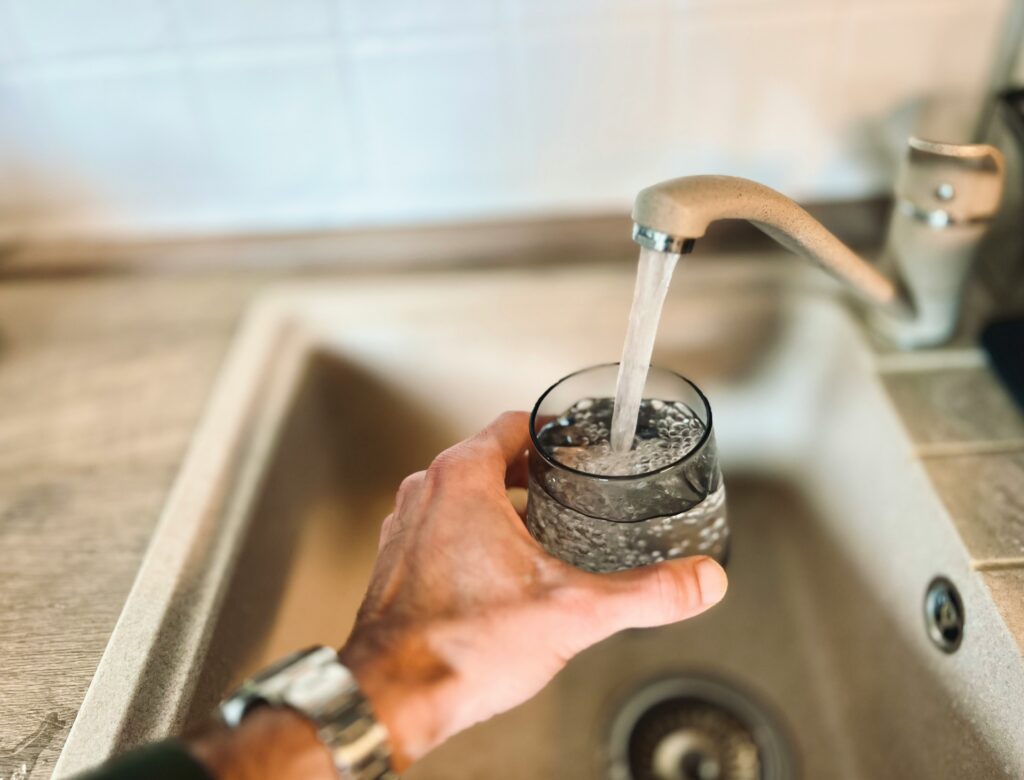

In 2018, New Jersey made a bet that restricting so-called “forever chemicals” in drinking water would make a tangible difference. A new study from Rutgers University says it did. And the margins are significant.
PFAS concentrations have dropped by 55% across New Jersey’s public water systems since the state became the first in the nation to regulate them, according to research published in Environmental International.
The study analyzed nearly two decades of water testing data across 47 water providers serving roughly 45% of the state’s population.
What Are ‘Forever Chemicals’?
PFAS—short for per- and polyfluoroalkyl substances—are a group of synthetic chemicals widely used in everyday products. PFAS are found in everything from non-stick cookware and firefighting foam, to waterproof clothing and food packaging. They have been linked to cancer, thyroid disease, and developmental delays in children.
PFAS earned the nickname “forever chemicals” because of their resilience. They don’t break down easily in the environment or in the human body. Studies show they can persist in the human bloodstream for years.
An estimated 99% of people in the United States have detectable levels of certain PFAS in their bloodstream. Exposure has been linked to increased cholesterol, liver toxicity, weakened immune systems, and cancer.
Drinking water is one of the primary avenues of exposure.
What the Study Found
New Jersey was the first state to restrict PFAS in public drinking water in 2018. The federal government would not establish national standards until 2024. The Rutgers study found that those early state-level regulations delivered real results.
PFOA levels dropped 55%, and PFNA—another common type—dropped 50%. The proportion of water systems exceeding safe limits fell across the board.
The Impact Is Real
Individual towns best show the impact. Reporting by WHYY looks to the small town of Willingboro for proof.
In 2021, after state regulators began restricting PFAS, the Willingboro Municipal Utilities Authority sampled its water for the first time, discovering levels that greatly exceeded state standards. A contaminated well was shut down in response.
After investing nearly $10 million on a treatment system, PFAS levels in Willingboro’s drinking water were brought down to near zero.
What Comes Next
In many ways, New Jersey’s work on tackling forever chemicals is just getting started. Water providers across the state and country must now meet even stricter federal standards set by the EPA in 2024, aimed at pushing PFAS levels in drinking water closer to zero.
The Trump administration has proposed rolling back some of those restrictions—set in the Biden era—including giving water providers an additional two years to comply. What potential rollbacks could mean for New Jersey remains to be seen.
For now, New Jersey’s early action proved decisive, laying out a blueprint that the rest of the country can look to.
The water is cleaner. The data backs that up.

The New Jersey Digest is a new jersey magazine that has chronicled daily life in the Garden State for over 10 years.