


Nearly five years into Russia’s full-scale invasion of Ukraine, President Donald Trump has announced a deal that would exempt Russian diesel from U.S. sanctions. It comes among soaring fuel prices—the administration presents the deal as a way to ease them.
Democratic politicians and some Republicans have criticized the deal. But one Democratic governor whose state hosts the East Coast’s largest petroleum hub has thrown herself into the ring.
New Jersey Gov. Mikie Sherrill didn’t mince words. She called the agreement “corrupt and illegal,” telling the Financial Times she is “evaluating options to stop it from arriving at a port in New Jersey.” However, the tools at her disposal aren’t as clear.
She said the deal would line Putin’s pockets “at the expense of American consumers and our democratic ally Ukraine.”
What’s in the Deal
Trump announced the agreement October 9, saying Russia would release hundreds of thousands of tons of diesel onto global markets to help bring down fuel prices. The U.S. Treasury has issued a general license that it says temporarily authorizes transactions involving Russian diesel.
Critics dispute its validity.
Democrats argue the license conflicts with the Ending Importation of Russian Oil Act, which Congress passed in 2022 and was signed into law by former President Joe Biden. Analysts have also questioned whether the added supply would meaningfully lower prices, TVP World reports.
Live oil prices by OilPriceAPIThe Tankers Heading West
Under the deal, three tankers carrying about 140,000 metric tons of diesel left St. Petersburg this month and are due at American ports just days after the November 3 midterm elections.
None has confirmed a New Jersey destination. One tanker, the Agioi Fanendes, had signaled New York, but its owner told the FT it is now awaiting instructions, because the discharge port isn’t confirmed. The other two, the Talisman and the Leruo, are signaling “Atlantic Coast.” The Talisman is under U.S. and EU sanctions. The Leruo is blacklisted by the EU, the U.K., and Canada.
Why New Jersey
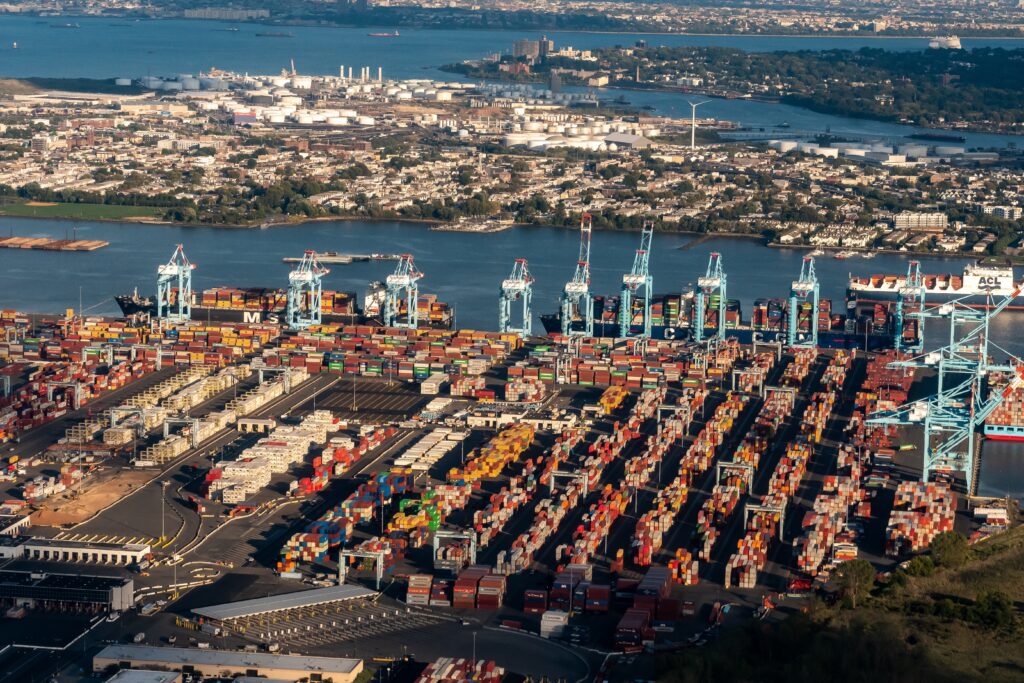
Though a destination has yet to be confirmed, Sherrill isn’t exactly wrong to go on defense. The Port of New York and New Jersey is the dominant petroleum import and distribution hub on the East Coast—most of its infrastructure is on the New Jersey side of the harbor.
Diesel tankers typically unload at privately operated terminals in Bayonne, Linden, Carteret, Perth Amboy, Port Reading, and Sewaren, so the possibility of any of the Russian tankers coming through New Jersey isn’t exactly far-fetched.
Can Sherrill Actually Stop It?
Whether or not Sherrill could actually stop a hypothetical Russian diesel shipment coming through New Jersey is another question. The FT reports it’s unclear what powers she has to block tankers from New Jersey’s ports.
However, pressure on the Hill is building. Senator Thom Tillis, a Republican set to retire after this term, and several Democrats warned U.S. companies on Monday they would face investigation if they helped bring in the fuel. Claire McCleskey, a former Treasury official, told the FT that some companies won’t touch the cargo at all because of the reputational risk it carries. Rapidan Energy Group indicated it sees little buyer interest so far and wouldn’t be surprised if the cargoes ended up in Brazil.
For now, the diesel is still at sea. Whether it comes here or not doesn’t change what Sherrill has said. She’s keeping her powder dry in the event Russian diesel does land in New Jersey.

Peter Candia is the Food + Drink Editor at New Jersey Digest. A graduate of The Culinary Institute of America, Peter found a passion for writing midway through school and never looked back. He is a former line cook, server and bartender at top-rated restaurants in the tri-state area. In addition to food, Peter enjoys politics, music, sports and anything New Jersey.
