

If you were expecting Americans to keep booking the same handful of winter escapes, Airbnb’s newest numbers tell a different story.
The company’s winter travel report for the 2026 season points to a shift away from the loud, familiar hotspots (separate from the top trending global destinations). Instead of defaulting to the biggest ski names out West or the most obvious beach towns, travelers are scattering toward smaller places—towns with room to breathe, slopes that aren’t treated like theme parks, and warm-weather breaks that feel more lived-in than staged.
Families are at the center of it. Airbnb says about 80 percent of families traveling this winter are choosing suburban or rural destinations. That tracks with what you see in real life: people aren’t just chasing a weekend photo anymore. They want space. They want kitchens. They want a place where the trip doesn’t feel like a constant line.
Below are the destinations showing the most momentum in Airbnb’s winter data, plus why each one makes sense right now.
St. Tammany Parish, Louisiana
St. Tammany Parish sits close enough to New Orleans to borrow some of the gravity, but far enough away to feel calmer.
That’s the appeal. Travelers can still build a trip around Gulf South flavor and sunshine without committing to the density and pace of the French Quarter. It’s the kind of place that works better when you’re staying longer—when you’re not trying to sprint through a checklist.
Anna Maria Island, Florida
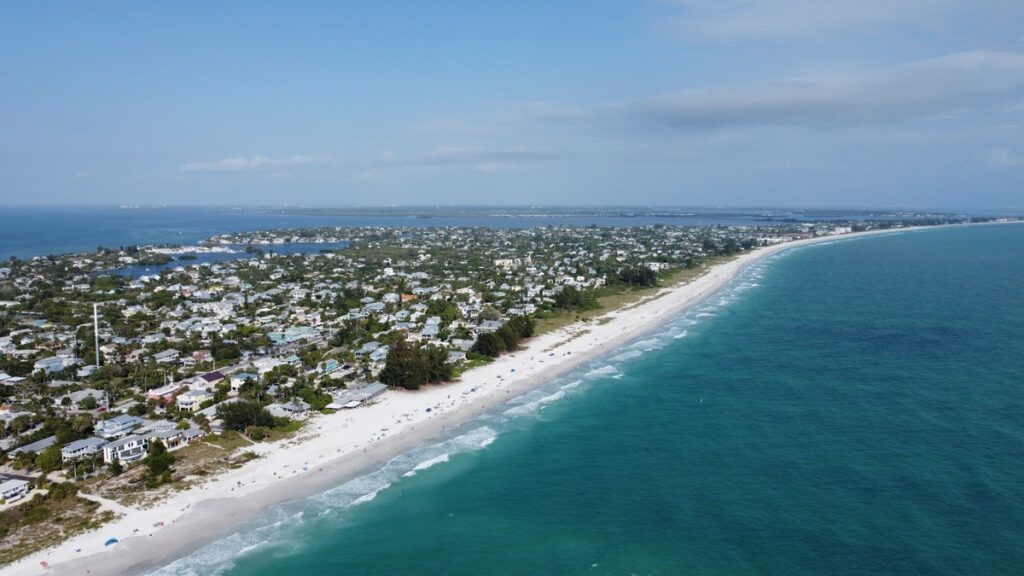
Florida will always be Florida in winter. Anna Maria Island is winning because it doesn’t feel like it’s trying to become Miami.
Small island, low-rise shoreline, quieter energy. People bike. People take golf carts. People actually watch the sunset instead of treating it like content. And with easier access through the Sarasota–Bradenton airport, it’s become more doable without becoming more chaotic.
That’s a rare combo in Florida.
Campton, New Hampshire
Campton is for people who don’t want their winter trip to feel like a crowd event.
The White Mountains deliver all the obvious stuff—snow, trails, ski access—but the appeal here is quieter. More cabin energy. More “go outside, then come back and do nothing” energy. The kind of trip where a scenic train ride or a pub dinner is enough, because the landscape is doing the heavy lifting.
It’s winter without the performance.
Dover, Vermont
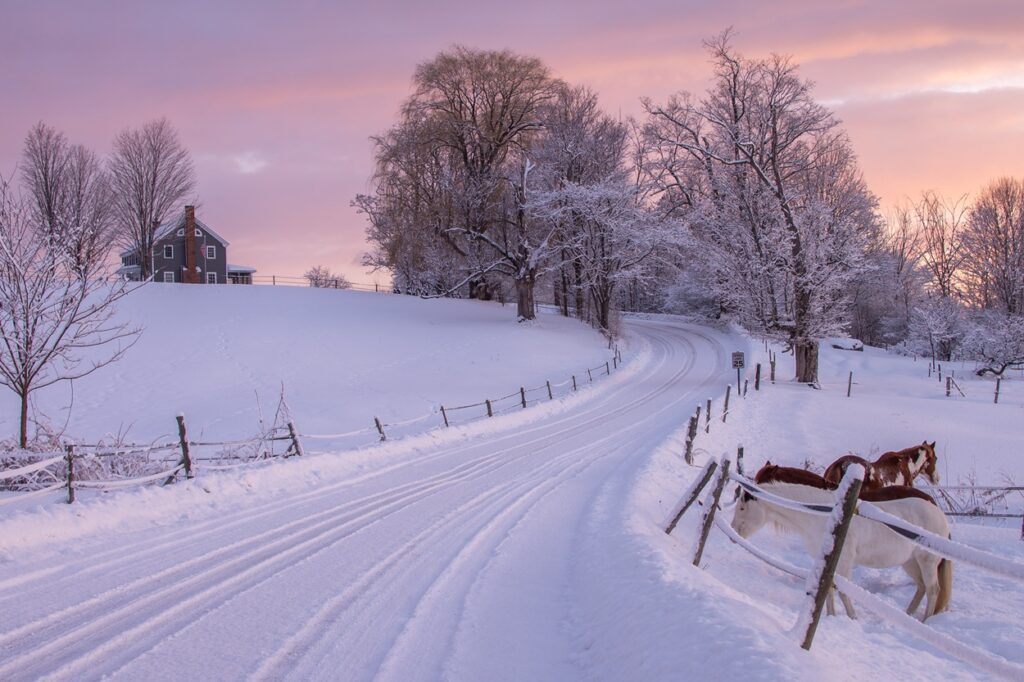
Dover is the Northeast’s quiet flex.
Mount Snow gives it a serious winter backbone, but the bigger reason Dover shows up in trend data is access. For anyone living within striking distance of New York or Boston, this is one of the easiest “real winter” trips you can pull off without turning it into a production. The town is compact, the surrounding area is loaded with small stops—breweries, galleries, old-town main streets—and it still feels like Vermont, not a branded resort village.
You go for the mountain. You stay because the place doesn’t try too hard.
Champion, Pennsylvania
Champion sits in Pennsylvania’s Laurel Highlands, near Seven Springs, and it’s getting attention for a simple reason: it’s workable.
Families can do snow sports without spending like they’re on a once-a-year luxury pilgrimage. Skiing, tubing, and cold-weather outdoor time are all right there, but the region also leans into the calmer stuff—cabins, state parks, small-town detours, and a pace that feels less frantic than the “big resort” circuit.
The Laurel Highlands aren’t trying to be Jackson Hole. That’s the point.
Brighton, Utah
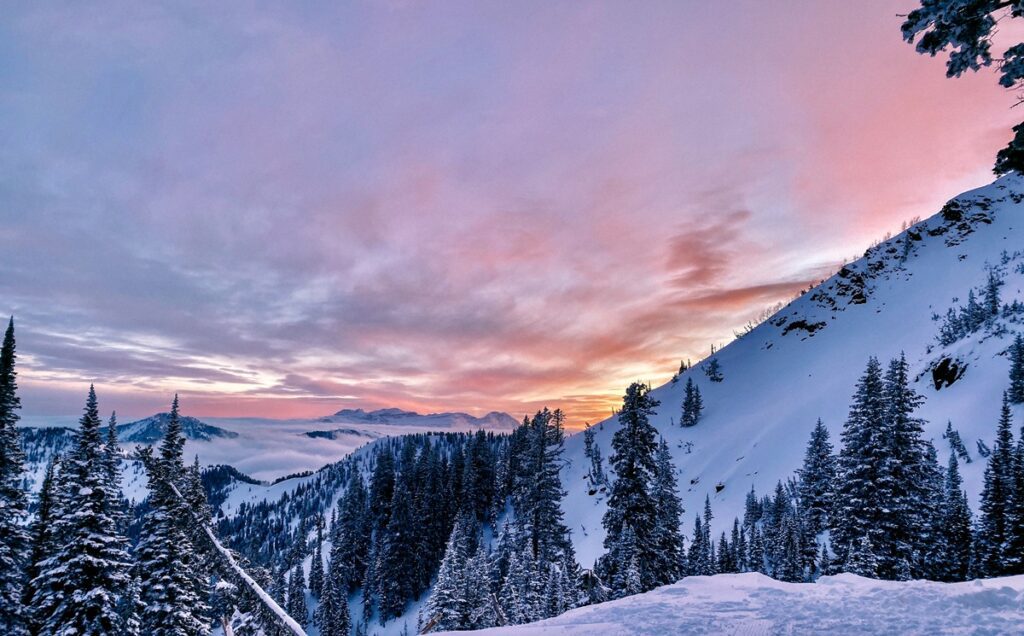
Brighton is one of those places that makes you wonder why everyone doesn’t talk about it more.
It’s close to Salt Lake City, not far from Park City, and it can deliver the kind of snow people fly across the country for. But it doesn’t come with the same scene-chasing baggage. The terrain is legit. The vibe is focused. It’s for skiers and riders who want the mountain to be the headline, not the afterparty.
On the right week, this is exactly the trip people mean when they say “Utah powder.”
McCall, Idaho
McCall already had winter credibility. Now it has momentum.
This town has a built-in winter identity—snow, a real winter carnival, and a menu of cold-weather activities that goes way beyond “we skied and went home.” Brundage Mountain and Tamarack Resort give you the downhill angle, but the area is also known for trail mileage, snowmobiling routes, and a broader outdoors culture that doesn’t feel like it was built yesterday for Instagram.
McCall feels like a winter town that’s been doing winter for a long time.
Hermosa Beach, California
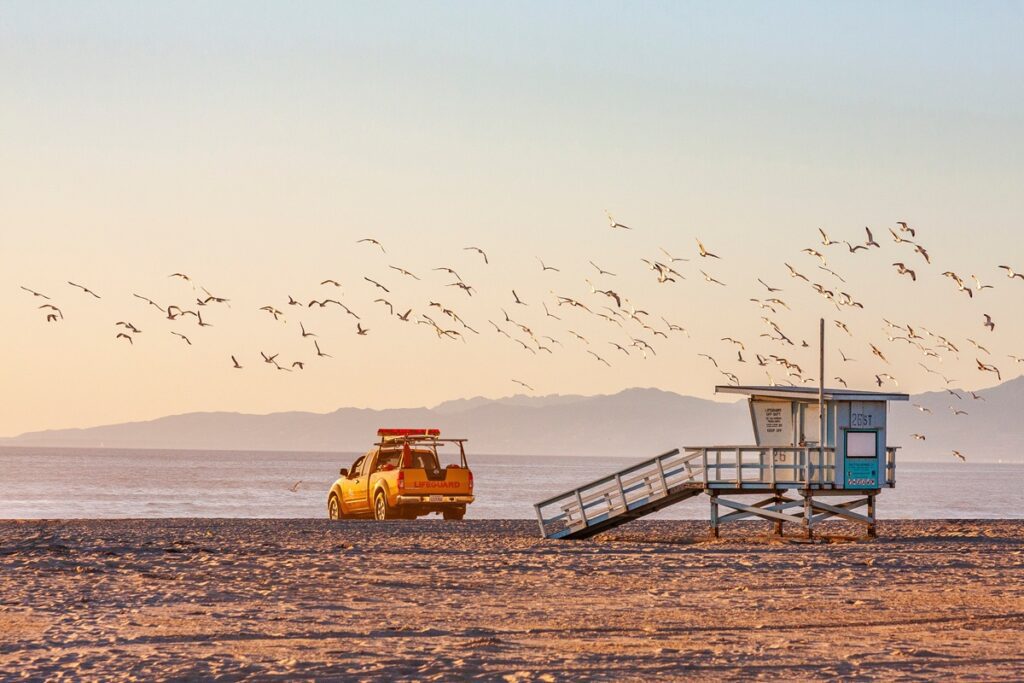
Hermosa Beach is the only West Coast destination in the mix, and it fits the theme: winter travel that doesn’t feel like a production.
It’s a classic Southern California beach town—coastline, surf culture, a strip of restaurants and bars, and a walkway that keeps the whole place moving. Winter is still sunny enough to feel like a reset, especially for travelers who just want to thaw out without turning the trip into a full-blown itinerary.
Lafayette, Louisiana
Warm-weather winter travel isn’t new. The destinations are changing.
Lafayette keeps showing up because it’s not a generic “sun break.” It’s culture-forward. Food-forward. Music-forward. You’re not just lying on a beach, you’re eating and listening and walking through a place that has its own identity. Winter temperatures are mild enough to move around comfortably, which matters more than people admit.
If you want warmth but don’t want a resort bubble, Lafayette makes sense.
The Bigger Trend: Longer Stays
Airbnb’s data points to a shift that matters more than any single destination: people are stretching trips out.
About a third of families are booking stays of a week or more. Travelers 60 and older are also leaning into longer winter getaways, with Florida pulling a lot of that demand. The underlying idea is pretty simple—if you’re going to go, make it worth it. Rent the bigger place. Stay the extra days. Stop treating travel like a two-night sprint.
This winter, the trend isn’t just where people are going. It’s how they’re choosing to live once they get there.

Michael is the Editor-in-Chief of New Jersey Digest and Creative Director at X Factor Media. A Bergen County native, he discovered his passion for storytelling while studying at Montclair State University. In addition to his work in journalism and media, Michael is an avid fiction writer. Outside the office, he enjoys kayaking, a bold glass of Nebbiolo, and the fine art of over-editing.