

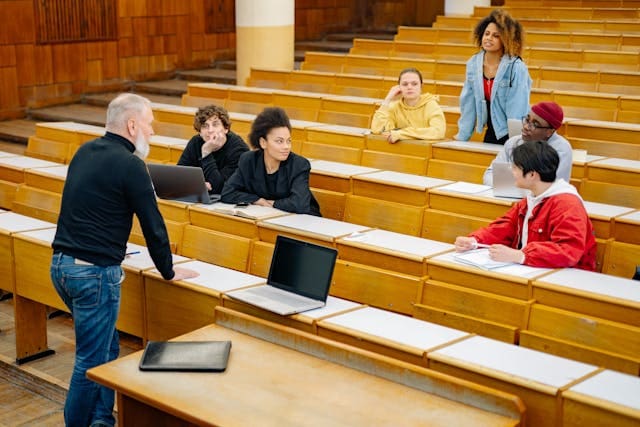

Have you ever wondered what a student with a disability experiences in a regular school setting? Many students face daily challenges that others may not even notice. From physical barriers to emotional struggles, their journey through education can feel overwhelming. This is why the role of educators is so important. Teachers do more than deliver lessons. They create environments where every student feels safe, valued, and supported.
In this blog, we will share how educators can support students with disabilities through empathy, practical strategies, and continued learning.
Creating Inclusive Classrooms from Day One
Inclusive classrooms welcome all learners, including those with disabilities. Teachers should plan lessons and activities that offer different ways to participate. This might include using visual aids, providing extra time, or breaking instructions into smaller steps. When teachers consider the needs of all students at the start, they create a stronger learning space for everyone. It also helps build respect and teamwork among classmates.
Inclusion is more than a teaching method. It’s a mindset that values each student’s strengths and differences. When students see their teacher make room for everyone, they learn to be kind and accepting. An inclusive classroom supports academic success and builds self-esteem. Students are more likely to stay engaged and feel confident when they know they belong.
Building Trust through Strong Relationships
Building a strong relationship with a student who has a disability takes time and consistency. Teachers can start by learning about each student’s likes, dislikes, and learning style. A simple conversation or a kind gesture can go a long way. When students feel like their teacher truly knows and cares about them, they begin to open up.
For teachers who want to learn more about working with students with disabilities, further education can help. For example, William Paterson University offers a Master of Education in Teaching Students with Disabilities. Their master’s in special education online program is designed for educators who want to gain the tools and skills to support students with diverse learning needs. Continuing education helps teachers build better strategies and deepen their understanding of students’ experiences. Strong relationships, supported by knowledge, help students succeed in meaningful ways.
Supporting Emotional and Social Growth
Students with disabilities often face emotional and social challenges that go beyond academics. They may struggle with friendships, self-esteem, or communication. Educators can support this growth by teaching social skills in simple, clear ways. Group activities, role-playing, and positive feedback can help students learn how to express themselves and work with others. These skills matter just as much as reading and math.
Creating a safe and supportive space also helps students feel more comfortable. When students are not worried about being judged or misunderstood, they are more likely to participate and try new things. Teachers can encourage growth by recognizing small achievements, staying patient, and checking in regularly. These daily moments build confidence and show students that they matter. Emotional and social support is a key part of helping students with disabilities thrive in school and life.
Adapting Instruction to Meet Individual Needs
Every student learns in a different way. For students with disabilities, traditional instruction may not always work. Teachers can help by using flexible teaching strategies. This might include breaking lessons into small steps, using visuals, or offering hands-on activities. When teachers adapt how they teach, they open the door for all students to learn and succeed.
It’s important to note that making these changes doesn’t mean lowering expectations. It means giving students the right tools to meet those expectations. Teachers who adapt their instruction show students that they are capable and worth the effort. This boosts motivation and helps students develop a sense of pride in their work. Simple adjustments in teaching can have a big impact on how students with disabilities experience learning.
Collaborating with Families and Support Staff
Parents and caregivers know their children best. Teachers who work closely with families can better understand the student’s needs, strengths, and challenges. Regular communication builds trust and helps create a consistent learning plan. Whether through phone calls, emails, or meetings, keeping families involved makes a big difference in a student’s progress.
Teachers should also work with special education staff, therapists, and counselors. These professionals bring expertise and can suggest helpful strategies. When everyone works together, the student receives more complete support. This teamwork also helps teachers feel more confident in their approach. Collaboration ensures that the student’s experience at school and at home is connected and supportive.
In conclusion, supporting students with disabilities requires more than just training—it takes heart. Every day, educators make small choices that shape a student’s experience. From offering a quiet space to explaining a lesson differently, these actions show care and respect. Students notice when teachers believe in them and work hard to meet their needs.

The New Jersey Digest is a new jersey magazine that has chronicled daily life in the Garden State for over 10 years.