

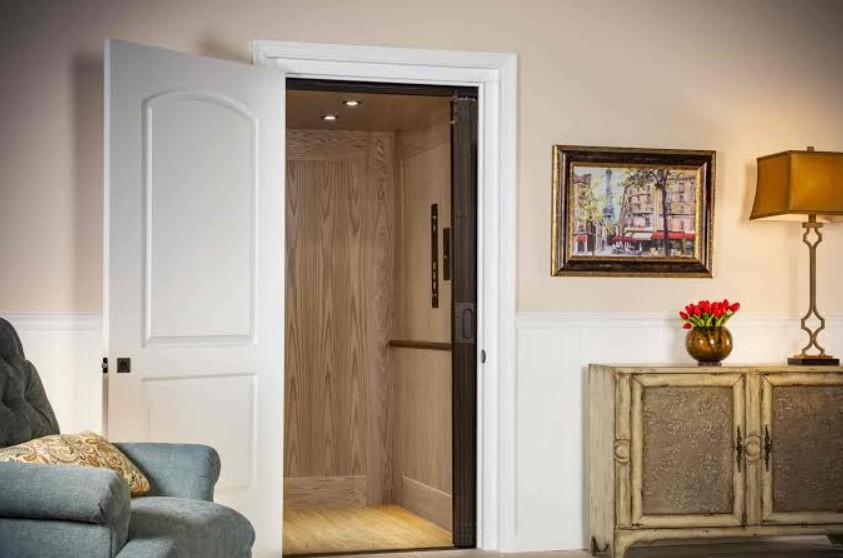

Many New Jersey residents dream of spending their later years in the homes where they raised families and built memories. Whether it’s a Victorian in Cape May or a restored colonial in Montclair, the emotional pull of staying put is strong. While the practicalities of aging in place can sometimes be challenging, home elevators are an increasingly popular solution.
Why New Jersey Homeowners Are Embracing Home Elevators for Aging in Place
Most older adults want to stay in their homes as they age. Yet, according to Pew Research, of those expressing that preference, only 37% think that it is likely to be possible. This confidence gap stems partly from the physical challenges multistory homes present as mobility changes.
The gap between desire and reality is also a structural problem. Research by AARP, cited in Realtor.com, shows that only 10% of homes in America are suitable for aging in place. Many lack the accessible features older adults need to move safely between floors.
This is particularly true in New Jersey’s older suburbs, where houses built in the early-to-mid 20th century tend to have multiple stories with bedrooms on upper floors.
The Benefits of Home Elevators for Independent Living
Residential elevators offer an elegant and practical solution to the challenges of multistory living. Having one offers:
- Full home access: Residents can reach bedrooms, bathrooms and living spaces on any floor without navigating stairs.
- Independence: Moving between floors becomes manageable without assistance from family members or caregivers.
- Safety: These systems reduce the risk of falls on stairs, particularly for those with balance or mobility challenges.
- Long-term value: Installing one now means the home remains functional for decades to come.
For older adults who live with family, elevators remain valuable. As Realtor.com notes, “More families are building or remodeling homes with multiple generations under one roof—which often means more floors. An elevator can make moving between levels safer and more convenient for everyone, from aging parents to young kids.”
Key Factors to Consider About Home Elevators
Once a homeowner decides to explore this option, several questions arise.
How Much Space Will the Elevator Take Up?
Space requirements vary by type and home layout. Hydraulic models typically need a machine room and a deeper pit, while pneumatic systems use less space but have weight limits. Cable-driven options fall somewhere in between.
According to Inclinator, a trusted elevator company with over 90 years of experience, “In total, experts recommend roughly 18 to 20 square feet of space to build or retrofit a custom residential elevator.”
However, homes and requirements vary. “Because weight capacity, lift design and unit powering method are so interconnected, it’s essential to work with an architect, elevator installation expert or certified elevator dealer to ensure you’re getting a cohesive and safe system that meets your needs,” the company adds.
Do Elevator Companies Provide Maintenance and Repair After Installation?
Like any major home system, elevators need regular servicing to operate safely and reliably. Maintenance plans typically include annual inspections, lubrication of moving parts and testing of safety features. Local authorized dealers and technicians usually handle these services rather than the manufacturer directly.
Even if there is no local inspection requirement, homeowners should still have their system checked annually to ensure it remains safe. Regular maintenance helps catch small issues before they become costly repairs.
Are Home Elevators Safe?
“Home elevators have many safety features to protect the rider, including emergency features such as lighting and battery-powered lowering,” Inclinator explains. “To prevent doors at landings from opening if the elevator is on another floor, we install interlocks on the doors, which block access to the empty well.”
Homeowners should also factor in the risks of stair use. As a 2022 study from the Delaware Journal of Public Health notes, “With roughly one third of adults over the age of 65 experiencing a fall each year, the importance of appropriate home modifications to reduce fall risk cannot be understated.”
How Much Does Home Elevator Installation Cost in New Jersey?
Installation costs vary widely based on the type, home structure, customization level and complexity. Factors like the number of floors served, necessary structural modifications and finish selections all affect the final price.
The cost represents an investment in long-term independence and safety. A 2026 review of vertical lift system use by older adults found that “positive health outcomes included improved mobility, autonomy, safety and quality of life, while lack of lifts can restrict mobility and autonomy.”
These health benefits may help offset costs by reducing the need for assisted living, minimizing fall injuries and extending the years residents can comfortably remain at home.
Can Residential Elevators Be Customized?
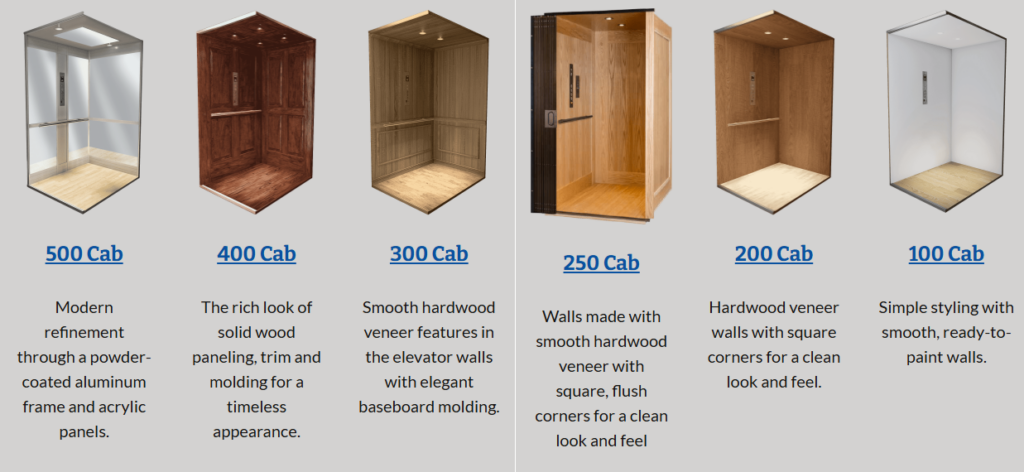
“Homeowners have many options when it comes to the design and style of a residential elevator,” says Inclinator. “It can blend into the background of the home, looking just like another closet or door, or if homeowners prefer, the elevator can be the focal point of the room.”
Customization extends to cabin materials, lighting, finishes, gate styles and control panels. Whether it’s a Dutch colonial in Bergen County, a Tudor revival in Essex County or a Jersey Shore beach house, the system can be designed to feel like an original part of the home.
Choosing an Authorized New Jersey Home Elevator Company
Selecting the right installer matters for safety, quality and long-term performance. New Jersey residents have access to experienced providers who understand local building codes and architectural styles.
When selecting an authorized home elevator for your New Jersey residence, consider providers that offer extensive customization options and comprehensive safety features. Look for designs that can either blend seamlessly with your existing decor or serve as architectural focal points, depending on your aesthetic preferences. Established companies with proven track records in residential lift installation can provide reliable solutions tailored to your home’s specific needs and style.
Frequently Asked Questions About Home Elevators
Here are answers to common questions about residential elevators.
How safe are home elevators?
Modern residential systems include safety interlocks, emergency lighting, battery-powered lowering and other protective features designed specifically for home use.
Why are residential elevators useful for aging in place?
They allow older adults to access all floors of their home safely without navigating stairs, reducing fall risk and maintaining independence as mobility changes over time.
How much maintenance do home elevators require?
Home elevators should be inspected annually by authorized technicians, even if local regulations do not require it. Regular maintenance includes checking safety systems, lubricating components and ensuring smooth operation.
Future-Proofing Your New Jersey Home
Home elevators are a practical investment in long-term independence and comfort. For New Jersey homeowners who want to age in place, the right modifications can close the confidence gap between wanting to stay home and feeling it’s possible. Researching options now helps homeowners make informed decisions about creating a space that can truly be a forever home.

The New Jersey Digest is a new jersey magazine that has chronicled daily life in the Garden State for over 10 years.