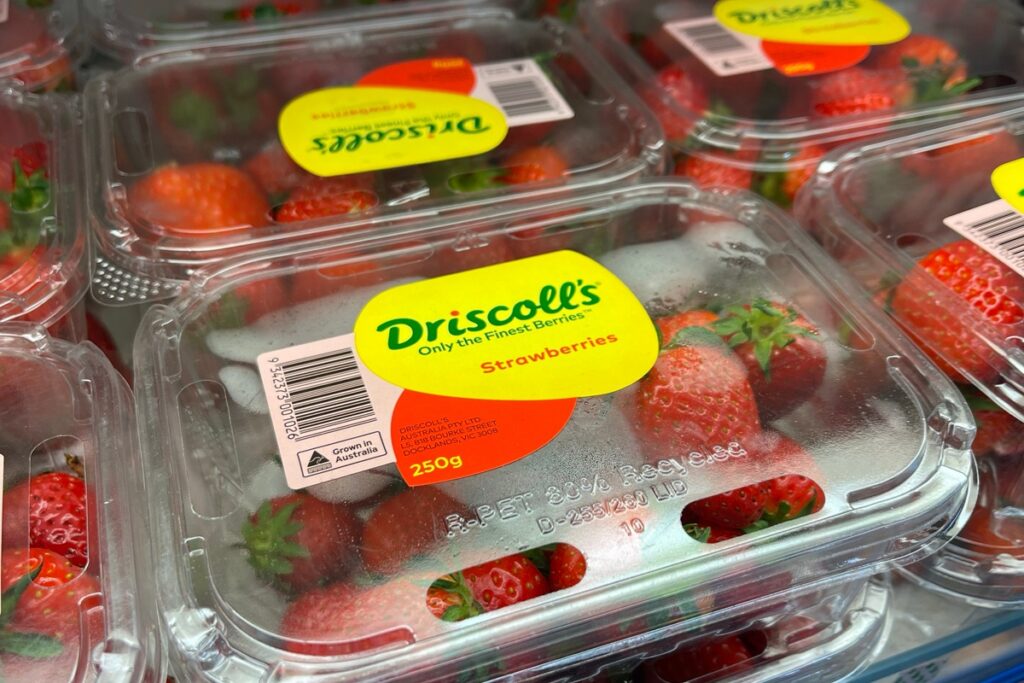
You’ve bought Driscoll’s strawberries. I have. Everyone in New Jersey has. They’re at Whole Foods, ShopRite, everywhere. It’s one of the most common berry brands we see. No one gives it a second thought. A consumer group called Mamavation did think about it, though. They bought two containers—one organic, one conventional—and shipped them to an EPA-certified lab in Virginia. The lab screened for over 500 pesticides. On the conventional strawberries, they came back with 12 different pesticide residues. About eight of those were PFAS-linked compounds or related fluorinated chemicals.
PFAS. You’ve probably heard the term. Forever chemicals. They’re called that because they don’t break down—not in the environment, not in your body. They accumulate. Research has tied PFAS exposure to kidney cancer and testicular cancer. One study found people with high PFOA levels in their blood were twice as likely to develop kidney cancer. The International Agency for Research on Cancer classifies certain PFAS as Group 1 carcinogens. That’s the same category as cigarettes.
Now the part Driscoll’s will tell you, and it’s true: the levels found are within EPA legal limits. Driscoll’s said in a statement they follow “scientific best practices and regulatory guidance” and operate in “full compliance” with US food safety regulations. That’s accurate. Nobody is saying otherwise.
But here’s something most people don’t know about Driscoll’s. They likely don’t actually grow the berries. They license their varieties to independent growers who cultivate the fruit under contract. Those growers decide what pesticides to apply and when. Driscoll’s name is on the package. The farming decisions belong to someone else entirely. It’s a complicated chain and “within legal limits” is where the accountability ends.
The levels also reportedly exceed certain international standards, even if they clear US thresholds. Different countries draw the line differently.
Does this mean Driscoll’s strawberries will hurt you? No one is saying that either. The EPA sets tolerance limits well below amounts considered acutely toxic. A single container of strawberries isn’t going to do what decades of industrial PFAS exposure does to a community. But accumulation is the whole point with forever chemicals. They don’t leave. And if you’re eating conventional strawberries regularly, buying them at Whole Foods and feeling good about it, this report is at minimum worth knowing about.
For New Jersey shoppers, the obvious move is to go to a farmers’ market. You can actually talk to people. Ask what they spray, when they last sprayed, and whether they have organic practices even without certification. That conversation doesn’t exist in a grocery store aisle. We put together a full guide to the best farmers’ markets in New Jersey if you’re not sure where to start.
Wash everything. Conventional or organic, local or shipped from California, washing produce reduces surface residue even if it doesn’t eliminate what’s absorbed into the fruit itself. It’s not nothing.
The food system is complicated and the labeling doesn’t tell you most of it. That’s the actual takeaway here—not panic, just information. Do with it what you want.

Michael is the Editor-in-Chief of New Jersey Digest and Creative Director at X Factor Media. A Bergen County native, he discovered his passion for storytelling while studying at Montclair State University. In addition to his work in journalism and media, Michael is an avid fiction writer. Outside the office, he enjoys kayaking, a bold glass of Nebbiolo, and the fine art of over-editing.