

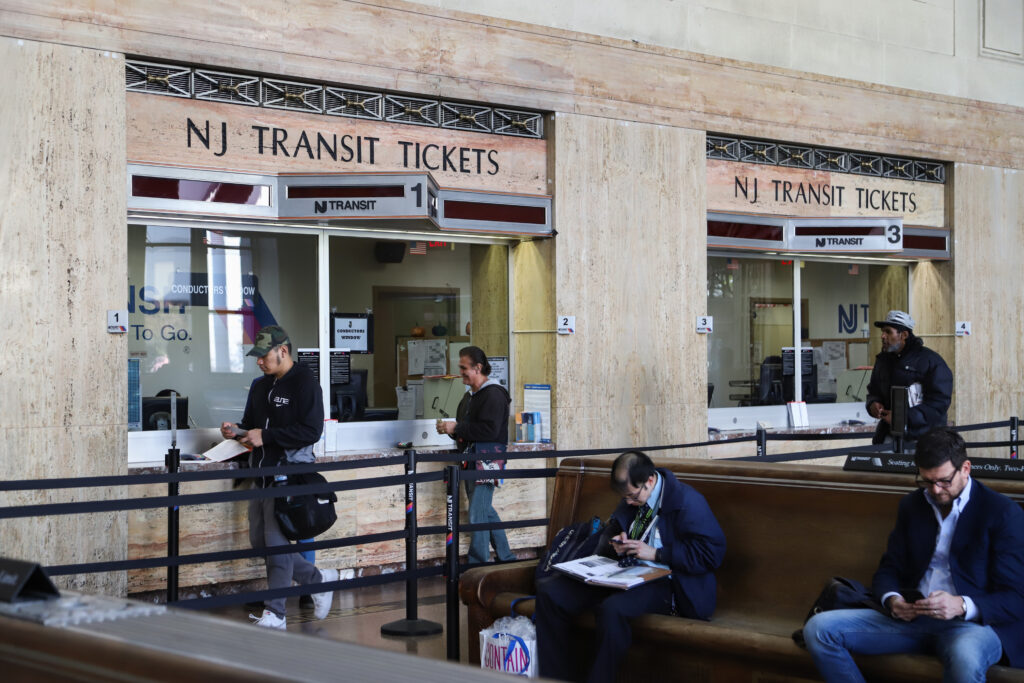
The fight between New Jersey and FIFA over $150 train tickets to MetLife Stadium during the World Cup just got louder—and a comparison to other host cities is making New Jersey’s price tag look even more stark.
While NJ Transit confirmed last week that round-trip rail from Penn Station to World Cup games will cost $150—more than 11 times the standard $12.90 fare—Philadelphia announced its SEPTA subway will remain at $2.90 for fans traveling to matches at Lincoln Financial Field. Houston’s light rail will run $2.50 round-trip. LA’s metro: $3.50. Kansas City is offering $15 matchday buses.
New Jersey is charging fifty times what Houston is charging. They’re not alone in the battle to elevate fares—Boston is charging $80 for train tickets to the World Cup.
FIFA Fires Back
FIFA, which had largely stayed quiet on the pricing dispute, broke its silence Friday night, according to the Athletic. Heimo Schirgi, the World Cup’s chief operating officer, said NJ Transit’s pricing model will have a “chilling effect”—pushing fans toward cars, causing congestion, late arrivals, and ultimately diminishing the economic legacy of the tournament for the region.
Schirgi called it “unprecedented” for a transit agency to arbitrarily hike fares and demand FIFA absorb the difference. “No other global event, concert or major sporting promoter has faced such a demand,” he said.
Governor Sherrill isn’t backing down. She has repeatedly argued that the agreement her administration inherited put zero FIFA dollars toward fan transportation—and eliminated all parking at MetLife Stadium, forcing NJ Transit to move four times the typical matchday ridership at a cost of at least $48 million. FIFA, meanwhile, is projected to earn $11 billion from the tournament.
Schumer Piles On
Senate Democratic Leader Chuck Schumer joined the chorus over the weekend, calling the $150 fare “a ripoff, plain and simple.”
“FIFA is making billions from this World Cup, and fans are being hit with a $150 ticket before they even walk through the gate,” Schumer said. “FIFA should cover the ride, not stick New York fans with the bill.”
NJ Transit CEO Kris Kolluri pushed back on the idea that the agency is profiting from the situation, noting that NJ Transit carries a $200 million structural deficit. “This is not profit making or gouging—we are trying to recover the cost,” he said.
How New Jersey Compares
FIFA distributed a document to media outlets Friday outlining how other host cities have approached transit pricing—drawing a pointed contrast to New Jersey’s price. Boston is the only other city in the same vicinity, having raised its commuter rail fare to $80 for World Cup travel to Gillette Stadium, up from $20 for a typical NFL game. Even that sparked significant backlash.
New Jersey’s $150 stands alone at the top. But Sherrill argues it’s necessary, stating: “FIFA should cover the cost of transporting its fans. If it won’t, we will not be subsidizing World Cup ticket holders on the backs of New Jerseyans who rely on NJ Transit every day.”
Her argument is simple: FIFA will profit greatly from the event, and everyday commuters will suffer. Read more about Sherrill’s response here.
The dispute is far from over. Whether FIFA ultimately contributes to offset the costs will set a precedent for how host cities and global sports organizations divide the bill for decades to come.
For now, neither side seems to be blinking.

The New Jersey Digest is a new jersey magazine that has chronicled daily life in the Garden State for over 10 years.
