

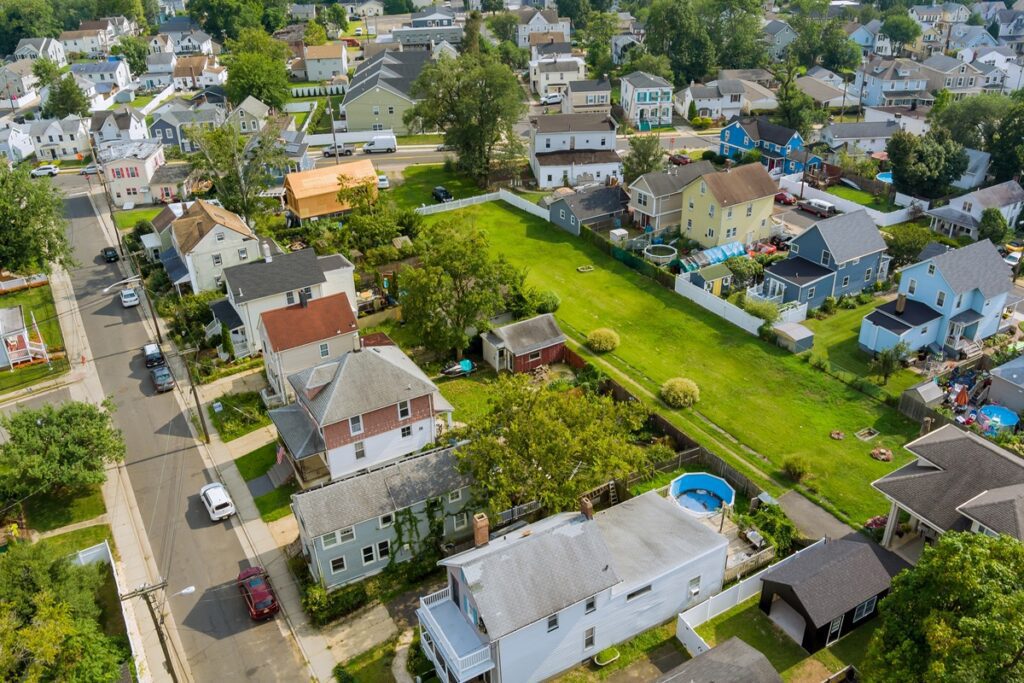
New Jersey is not an easy state to buy your first home in. Prices are high, competition in desirable towns can be intense, and the property tax situation is not something you fully appreciate until you sit down with an actual monthly payment estimate. But people do it every day, and the ones who navigate it well tend to have one thing in common: they did their homework before they ever walked into an open house.
If you are in the early stages of figuring out whether you are ready to buy, here is a realistic picture of what the process looks like in New Jersey and what you should have sorted out before you start making offers.
Start With Your Financial Profile, Not Your Zillow Wishlist
The temptation to browse listings before you have any sense of what you can actually afford is understandable. But in a market like New Jersey’s, where median home prices have been holding between $500,000 and $550,000 statewide with significant variation by county, going in without a clear financial picture wastes time and sets unrealistic expectations.
Before anything else, pull your credit reports and know your scores. Lenders use credit scores as one of the primary inputs when determining what rate you will qualify for and whether you will qualify at all. Conventional loans generally require a score of at least 620, though you will need a higher score to access the most competitive rates. FHA loans allow scores as low as 580 with a 3.5 percent down payment, which makes them an option for buyers who have not had time to build stronger credit.
You also need a realistic read on your debt-to-income ratio, which most lenders want to see below 43 to 45 percent. Add up your monthly debt payments, divide by your gross monthly income, and you have your DTI. If that number is high, paying down existing debt before applying for a mortgage can have a real impact on what you qualify for.
The Consumer Financial Protection Bureau’s homebuying guide walks through all of this in plain language, including how to evaluate different loan types and what questions to ask lenders. It is a useful starting point if any of this terminology is new to you.
Understand What Mortgage Rates Mean for Your Monthly Payment
Mortgage rates have a bigger effect on what you can afford than most first-time buyers expect. The difference between a 6 percent rate and a 6.75 percent rate on a $450,000 loan is not trivial. It can shift your monthly payment by several hundred dollars and change what price range is actually comfortable for your budget.
Rates also vary depending on loan type, term length, down payment, and your credit profile. A 30-year conventional fixed rate will look different from a 15-year fixed rate, and FHA or VA loans have their own rate structures. The gap between loan types can be significant enough that it is worth comparing multiple options before committing to anything.
Looking at current mortgage rates in New Jersey across different loan types will give you a concrete sense of what borrowing costs look like right now and how they vary by program. Rates shift with broader economic conditions, so checking them close to when you are ready to apply matters more than checking them six months out.
Know What Assistance Programs Are Available in New Jersey
New Jersey has more first-time homebuyer assistance than many buyers realize. The New Jersey Housing and Mortgage Finance Agency runs several programs designed to help buyers who qualify, including first-time homebuyer programs and first-generation homebuyer programs that come with down payment assistance.
Down payment assistance is worth paying attention to. One of the biggest obstacles for first-time buyers in New Jersey is accumulating enough cash for a down payment in a market where prices are high. Some NJHMFA programs provide assistance in the form of a second loan with low or deferred interest, which effectively reduces the upfront cash you need to bring to closing.
Eligibility for these programs depends on income limits, purchase price limits, and other criteria that vary by program. They are not available to everyone, but if you fall within the income ranges, they can make a real difference in what you are able to afford.
Factor in New Jersey’s Property Taxes
New Jersey consistently ranks at the top of national property tax comparisons, and this is not a marginal difference. The state has higher effective property tax rates than most others in the country, according to data from the Tax Foundation. The actual amount varies considerably depending on county and municipality, but in many of the state’s more desirable towns, annual property taxes on a single-family home can run $10,000 to $15,000 or more.
This matters because property taxes are typically collected monthly as part of your mortgage payment through an escrow account. What looks like an affordable purchase price can become a tight monthly payment once taxes are added in. When you are evaluating homes, look at the actual tax bill for each property, not just the purchase price.
Local tax rates and assessed values are public information and available through your county’s tax records. Your real estate agent should also be able to pull this for any home you are seriously considering.
Get Pre-Approved Before You Start Making Offers
In New Jersey’s competitive markets, making an offer without a pre-approval letter is not realistic. Sellers and their agents take pre-approval as a baseline signal that you are a serious buyer who has already spoken with a lender and has a realistic sense of what you can borrow.
Pre-approval is different from pre-qualification. Pre-qualification is a rough estimate based on self-reported information. Pre-approval involves actually submitting financial documentation to a lender, who verifies your income, assets, and credit before issuing a letter. It takes more effort upfront, but it is the version that holds weight when you are competing with other buyers.
Getting pre-approved also clarifies your budget before you get emotionally attached to a house that turns out to be out of reach. That clarity makes the search easier, not harder.
The Preparation Is the Process
Buying your first home in New Jersey takes longer than most people expect, and the buyers who manage it with the least stress are usually the ones who started preparing early. Getting your finances in order, understanding your loan options, knowing what assistance is available, and accounting for the full monthly cost of ownership, including taxes, will put you in a much better position when the right home comes along.
New Jersey is not a forgiving market for buyers who are improvising. But with the right groundwork, it is absolutely navigable.

The New Jersey Digest is a new jersey magazine that has chronicled daily life in the Garden State for over 10 years.
