

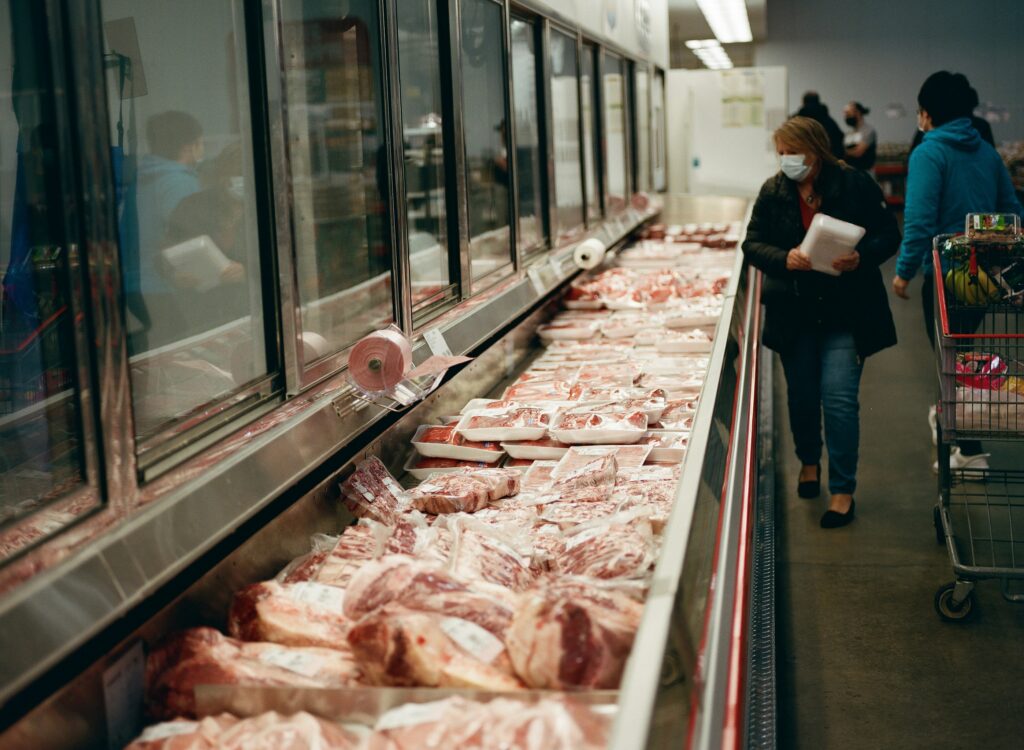

If you’ve noticed an uptick in beef prices at the grocery store, you’re not imagining it. In fact, since 2020, the cost of beef has steadily risen. But what’s driving the increase?
Why Beef Prices Are So High
There are two main factors driving the sharp rise in beef prices: low cattle supply and high demand.
Currently, there are an estimated 87 million cattle nationwide—a 75-year low for the industry.
A multi-year drought across major cattle regions has reduced the availability of grass and hay, forcing ranchers to shrink their herds. The cattle industry typically operates on a 10-12 year cycle, with herd sizes expanding and contracting based on profitability and weather. While depleted herds aren’t unusual, recovery will be slow, with full cattle numbers not expected until 2027 at the earliest.
As a result, beef production has fallen by 1.2 billion pounds.
At the same time, demand remains high. Beef is heavily marketed as a premium protein and continues to be sought after even as prices soar.
Put simply: beef prices are rising because U.S. cattle numbers are low and demand remains strong, and experts say relief could take years.
Beef Imports Won’t Fix the Problem
As U.S. cattle farmers struggle to stay afloat, Argentinian beef is being imported in an attempt to ease grocery store costs. President Trump recently announced that the U.S. would allow for 80,000 metric tons of tariff-free beef imports from Argentina.
However, the impact is minimal.
Most of the imports are lean beef trimmings—mainly used for ground beef—and account for less than 1% of total U.S. beef consumption.
Steak and ground beef prices continue to rise despite increased imports. According to NPR, ground beef is up 51% since 2020, and steak is up 50%. Over the past three years, beef prices have risen around 30% overall, including a 15% increase in 2025 alone.
Retail beef averaged $8.56 a pound in 2025.
Relief doesn’t appear to be on the horizon, with beef prices expected to rise another 6.9% in 2026.
Beef Relief? Not So Fast
In the short term, beef prices are expected to keep rising as supplies remain tight. It’s basic supply and demand: dwindling cattle herds combined with steady consumer demand for beef keep prices high.
Some relief could come by 2028, but it will require stable herd rebuilding. Any change is expected to be slow. For now, consumers should expect to continue paying more for beef at grocery stores and restaurants as the cattle shortage persists. Until herds are rebuilt, high beef prices are likely to remain the new normal
That recovery could take years.

Peter Candia is the Food + Drink Editor at New Jersey Digest. A graduate of The Culinary Institute of America, Peter found a passion for writing midway through school and never looked back. He is a former line cook, server and bartender at top-rated restaurants in the tri-state area. In addition to food, Peter enjoys politics, music, sports and anything New Jersey.
